







'The Best Little Whorehouse in Texas' is a fascinating example of a Broadway musical that successfully transitioned to the big screen. Originally a stage musical created by Larry L. King, Peter Masterson, and Carol Hall in 1978, it was adapted into a film in 1982. This transition involved significant changes and challenges, reflecting the complexities of adapting a live performance into a cinematic experience.
The Original Broadway Success
The Broadway production of 'The Best Little
Whorehouse in Texas' was a significant success, running for 1,584 performances. The musical was celebrated for its engaging storyline and memorable music composed by Carol Hall. It captured the essence of a small-town Texas brothel and the community's relationship with it, offering a mix of humor and social commentary. The stage production's success laid a strong foundation for its adaptation into a film.
The musical's popularity was partly due to its ability to blend comedy with a critique of societal norms. It presented a nuanced view of the characters involved, particularly Miss Mona, the brothel's madam, and Sheriff Ed Earl Dodd. Their complex relationship added depth to the narrative, making it more than just a comedic romp. This depth was something the film adaptation aimed to capture and expand upon.
Adapting for the Big Screen
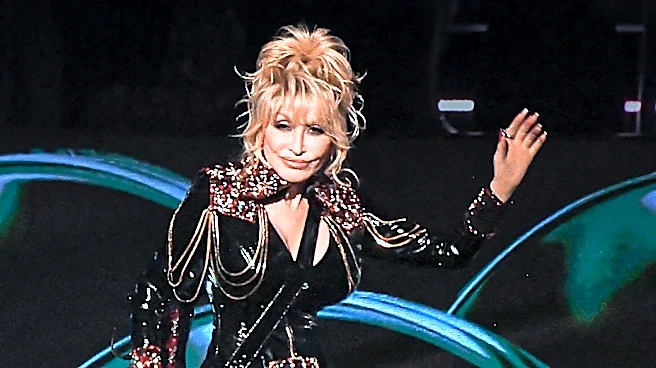
When it came to adapting the musical for film, several changes were necessary to suit the cinematic format. The film, directed by Colin Higgins, featured a screenplay co-written by Higgins, King, and Masterson. Notably, the film starred Burt Reynolds and Dolly Parton, both of whom brought significant star power to the project. Parton's involvement was particularly noteworthy, as she was not only a lead actress but also contributed to the film's music.
The adaptation process involved restructuring the plot to focus more on the relationship between Ed Earl and Miss Mona. In the film, their relationship was portrayed as an ongoing affair, adding a romantic element that was less pronounced in the stage version. This change was intended to appeal to a broader audience and leverage the chemistry between Reynolds and Parton.
Challenges and Changes
The transition from stage to screen was not without its challenges. The film had to balance staying true to the original musical while making necessary adjustments for a different medium. Some songs from the stage production were omitted, and new ones were added, including Parton's famous "I Will Always Love You," which became a highlight of the film.
Despite mixed reviews, the film was a commercial success, grossing over $69 million. It demonstrated the potential for stage musicals to find new life and audiences through film adaptations. The journey of 'The Best Little Whorehouse in Texas' from Broadway to Hollywood remains a testament to the enduring appeal of its story and characters.