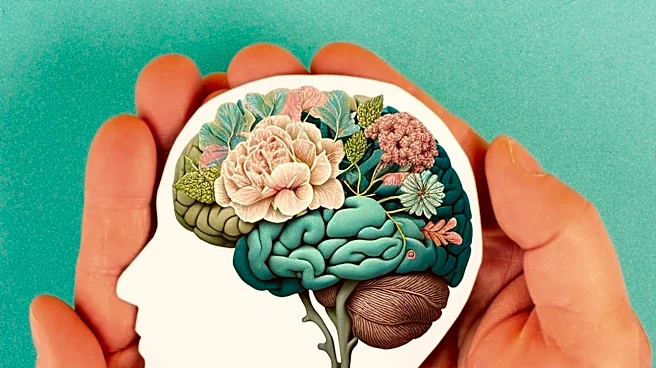








The concept of a growth mindset has gained significant attention in recent years, thanks to the work of psychologist Carol Dweck. A growth mindset is the belief that abilities and talents can be developed through effort, perseverance, and learning. This perspective stands in stark contrast to a fixed mindset, where individuals see their abilities as static and unchangeable. Understanding these mindsets can have profound implications for personal development,
education, and professional growth.
The Origins of Growth Mindset
The growth mindset concept was developed by Carol Dweck and her colleagues through extensive research in social and educational psychology. Dweck observed that individuals who believed in the potential to improve their skills through effort were more resilient in the face of failure and performed better in learning environments. This research culminated in her 2006 book, "Mindset: The New Psychology of Success," which has become a key reference in understanding how mindsets affect learning and achievement.
Dweck's studies demonstrated that beliefs about the malleability of abilities directly influence motivation, perseverance, and performance. This understanding has been applied in various contexts, including education and professional settings, to encourage a focus on growth and development rather than static achievement.
Principles of a Growth Mindset
A growth mindset is built on several fundamental principles. First, it posits that skills and abilities are not fixed but can be developed through practice and learning. This perspective encourages individuals to view challenges as opportunities for growth rather than insurmountable obstacles. Mistakes and failures are seen as necessary steps in the learning process, providing valuable lessons and insights.
Another key principle is the value placed on effort. Rather than seeking immediate results, a growth mindset emphasizes continuous improvement and investment in one's development. Constructive feedback is also embraced as a tool for growth, rather than a personal critique. This approach fosters an environment where individuals are motivated to learn and improve continuously.
Applications and Impact
The growth mindset has been applied in various fields, including education, work, and personal development. In educational settings, it encourages students to embrace challenges and persist in the face of difficulties, leading to better learning outcomes. Teachers and educators use growth mindset principles to foster a supportive learning environment where students feel empowered to take risks and learn from their mistakes.
In the workplace, a growth mindset can lead to increased innovation and productivity. Employees who believe in their ability to develop new skills are more likely to take on challenging projects and seek out opportunities for professional growth. This mindset also promotes a culture of collaboration and continuous improvement, benefiting both individuals and organizations.
Overall, the growth mindset offers a powerful framework for understanding how beliefs about abilities can shape behavior and outcomes. By adopting a growth mindset, individuals can unlock their potential and achieve greater success in various aspects of life.