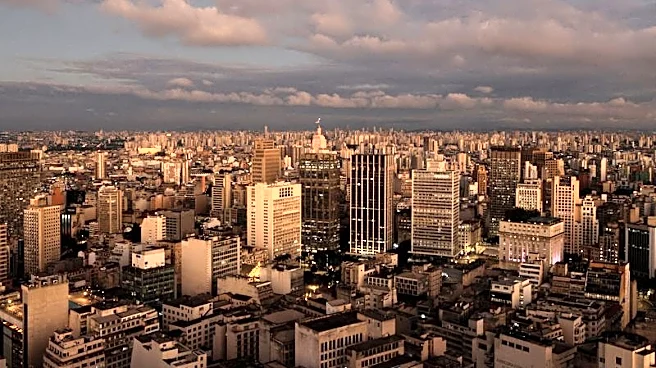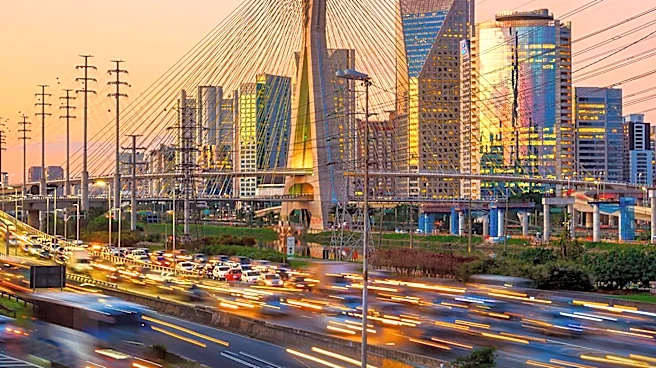





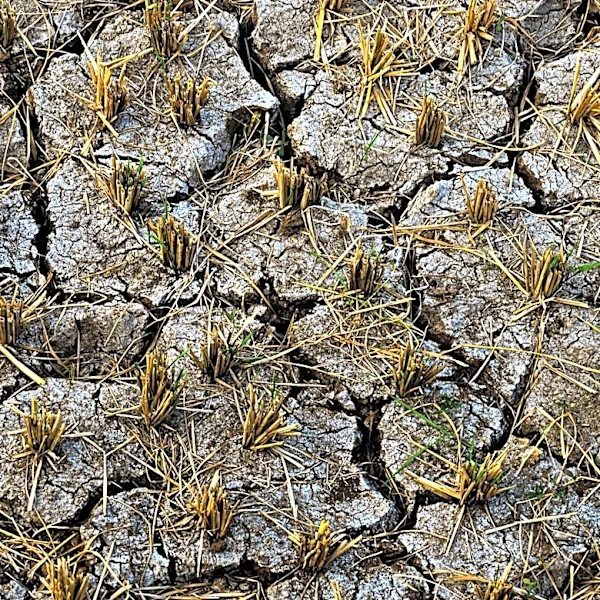





Brazil's economy has undergone significant transformations over the centuries, evolving from a colonial economy reliant on agriculture to a diverse and dynamic global player. This article explores the key phases of Brazil's economic development, highlighting the factors that have driven its growth and challenges.
Colonial Economy
During the colonial period, Brazil's economy was primarily based on agriculture, with sugarcane plantations dominating the landscape. The
Portuguese settlers introduced sugar cultivation, which became the main export product, driving the economy for centuries. The reliance on enslaved African labor was a critical component of this economic model, shaping Brazil's social and economic structures.
The discovery of gold in the 18th century marked a new phase in Brazil's economic history. The gold rush attracted settlers and investment, leading to the development of mining towns and infrastructure. This period saw a shift in economic focus from agriculture to mining, with gold becoming a major export commodity.
Industrialization and Modernization
The 20th century brought industrialization and modernization to Brazil. Under the leadership of Getúlio Vargas, Brazil embarked on a path of industrial growth, focusing on manufacturing and infrastructure development. The Vargas Era was characterized by state intervention in the economy, with efforts to diversify and modernize the industrial sector.
Brazil's involvement in World War II further accelerated industrialization, as the country aligned with the Allies and received support for its economic development. The post-war period saw continued growth, with the expansion of industries such as automotive, steel, and chemicals.
Contemporary Economy
Today, Brazil is one of the largest economies in the world, with a diverse economic base. The country is a major exporter of agricultural products, including soybeans, coffee, and beef. Brazil's rich natural resources, such as iron ore and oil, also contribute significantly to its economic output.
The service sector has become a dominant force in Brazil's economy, accounting for a substantial portion of GDP. The financial services, telecommunications, and tourism industries are key drivers of economic growth. Despite its successes, Brazil faces challenges such as income inequality, corruption, and political instability, which impact its economic performance.
Brazil's economic journey is a testament to its resilience and adaptability. From its colonial roots to its current status as a global economic player, Brazil continues to navigate the complexities of economic development, striving for growth and prosperity.