


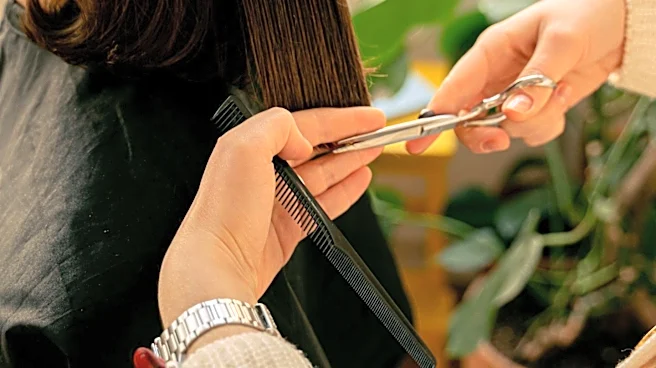
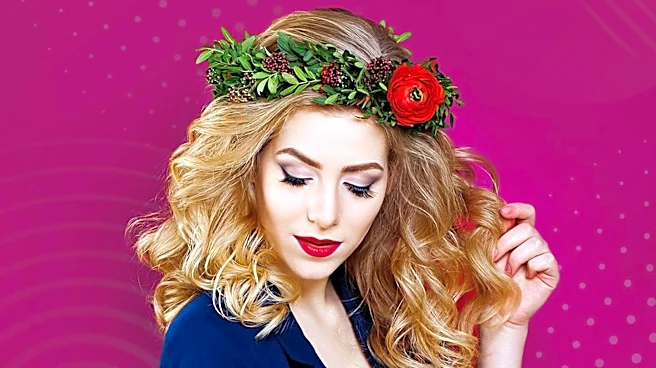
Hair highlighting is a popular practice that involves changing a person's hair color to create a lighter appearance. This technique can add depth and dimension to hair, making it appear fuller and more vibrant. There are several methods of highlighting, each offering a unique look and style. This article delves into the different techniques used in hair highlighting, providing an overview of how each method contributes to the overall aesthetic.
Foil Highlights
Foil
highlighting is a widely used technique that involves applying lightener to specific strands of hair. The process begins by weaving and separating sections of hair, which are then coated with lightener using an applicator brush. The strands are wrapped in foil to protect the surrounding hair and to ensure even processing. This method allows for precise control over which sections of hair are lightened, making it ideal for creating a natural look with subtle variations in color. Foil highlights can be used to add depth and dimension to the hair, enhancing its overall appearance.
In addition to creating highlights, foil can also be used for lowlights, where darker dyes are applied to strands of hair. This technique is often used to add contrast and depth, particularly for those with lighter hair colors. The versatility of foil highlighting makes it a popular choice for those looking to achieve a specific look or style.
Hair Painting and Balayage
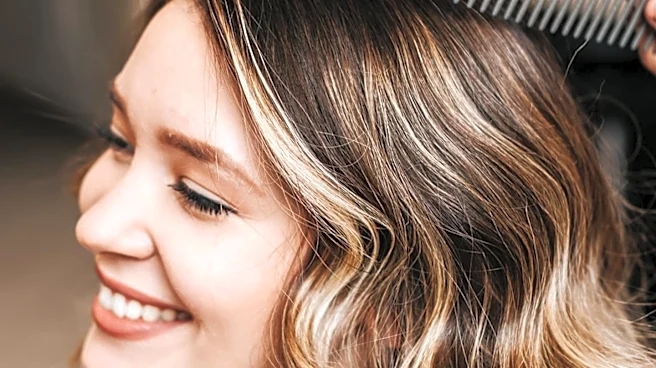
Hair painting is another popular method of highlighting that involves a free-handed technique. Unlike foil highlights, hair painting does not require the use of foils or caps. Instead, lightener is applied directly to the hair using a brush or comb, allowing for a more natural and blended appearance. One of the most well-known hair painting techniques is balayage, which originates from the French word meaning 'scanning' or 'sweeping.'
Balayage is characterized by its subtle, natural-looking results, making it a favorite among those seeking a sun-kissed effect. The technique involves painting lightener onto clean, styled hair, creating a seamless transition between the natural and highlighted sections. This method is particularly effective for those with longer hair, as it allows for a gradual lightening effect that enhances the hair's natural movement and texture.
Frosting and Chunking
Frosting is a highlighting technique that involves lightening individual strands of hair while leaving the adjacent hairs untreated. This method often uses a highlighting cap, through which strands of hair are pulled and then lightened. The result is a 'salt and pepper' effect, with a stark contrast between the lightened and natural hair. Frosting is particularly popular for those with shorter hair, as it creates a bold and distinctive look.
Chunking, on the other hand, involves applying larger sections of highlights, resulting in a more dramatic and contrasting appearance. This technique is often used with bold, unnatural colors to create a striking visual effect. Chunking is ideal for those looking to make a statement with their hair, as it offers a wide variety of color options and styles. Together, these techniques showcase the versatility and creativity involved in the art of hair highlighting.