







Bicycle racing is a multifaceted sport with a variety of disciplines, each offering unique challenges and experiences. Governed by the Union Cycliste Internationale (UCI), these disciplines cater to different types of athletes and fans, showcasing the sport's versatility and appeal. This article delves into the diverse world of bicycle racing, highlighting the characteristics and nuances of each discipline.
Road Racing: The Classic Discipline
Road racing is perhaps the most traditional
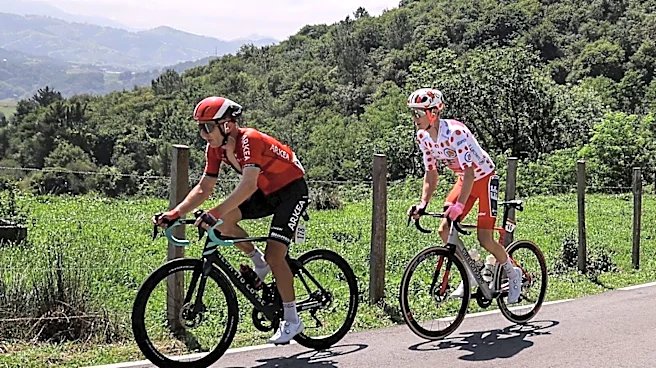
and widely recognized form of bicycle racing. It involves racing on paved roads, often over long distances, and is known for its strategic complexity and endurance demands. The Tour de France is the pinnacle of road racing, attracting millions of spectators and showcasing the sport's grandeur.
Road racing requires exceptional fitness and tactical acumen. Riders must navigate various terrains, including steep climbs and fast descents, while managing their energy and positioning within the peloton. Drafting, breakaways, and teamwork are crucial elements, with riders often working together to achieve individual and team goals.
Cyclo-cross and BMX: Off-Road Challenges
Cyclo-cross originated as a winter training activity for road racers, offering a change of pace during the off-season. Races take place on mixed terrain, including pavement, grass, and trails, with obstacles that require riders to dismount and carry their bikes. Cyclo-cross is particularly popular in Belgium and France, where it is celebrated for its rugged nature and spectator-friendly format.
BMX racing, on the other hand, is a high-energy discipline that takes place on purpose-built off-road tracks. Riders compete on single-gear bicycles, navigating jumps and banked corners in short, intense sprints. BMX is known for its thrilling action and has gained popularity worldwide, especially among younger audiences.
Gravel Racing: The New Frontier
Gravel racing is one of the newest additions to the bicycle racing landscape, emerging in the 21st century. It combines elements of road and mountain biking, with races held on gravel roads and trails. Distances can range from 100 to 200 miles, with mass starts that include all categories of racers.
Gravel racing is characterized by its inclusivity and adventurous spirit. Riders use a variety of bicycles, from road bikes with wide tires to mountain bikes suited for technical trails. The discipline has grown rapidly, with events like Unbound Gravel attracting participants from around the globe.
In summary, bicycle racing is a dynamic sport with a rich tapestry of disciplines. Each offers its own set of challenges and rewards, appealing to a diverse range of athletes and fans. As the sport continues to evolve, these disciplines reflect the creativity and passion that drive the world of cycling.