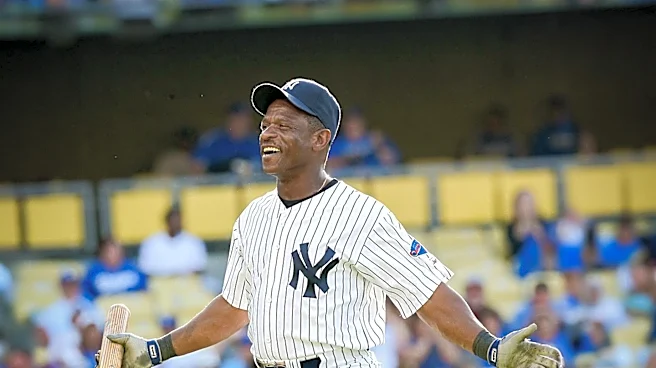

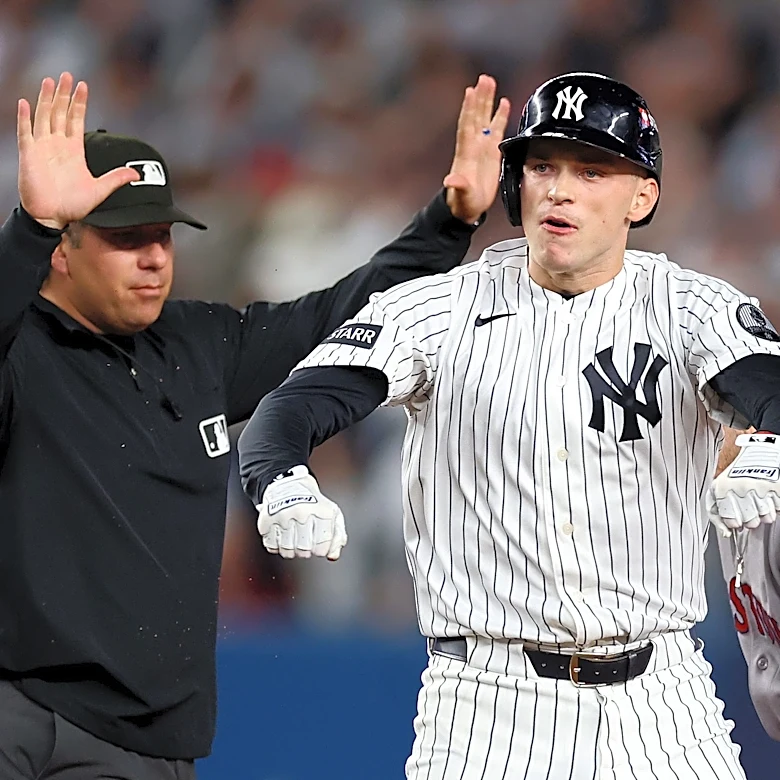

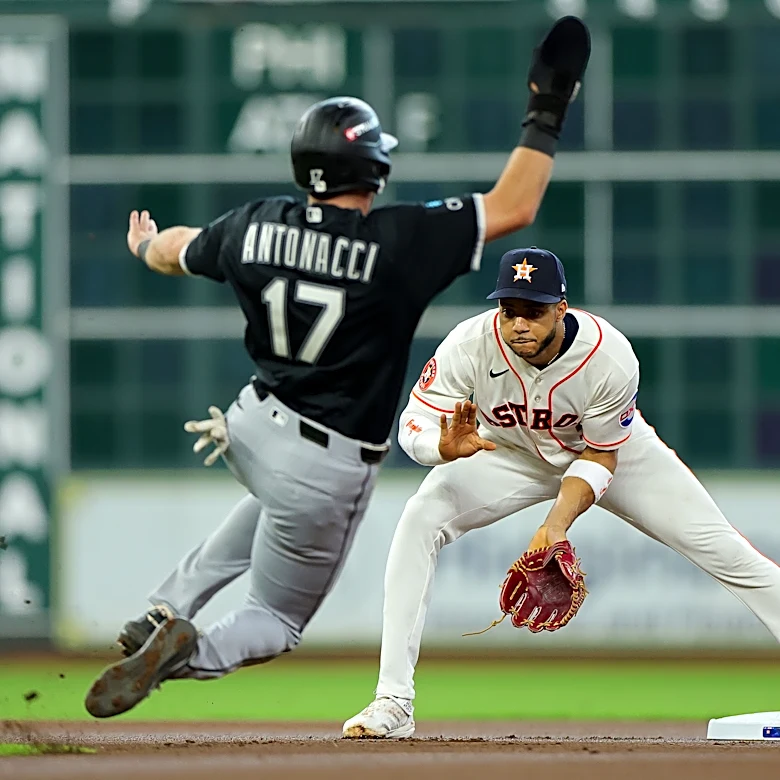





Rickey Nelson Henley Henderson, famously known as "Man of Steal," carved out an indelible legacy in Major League Baseball (MLB) over his remarkable 25-season career from 1979 to 2003. Widely celebrated as the greatest leadoff hitter and baserunner in baseball history, Henderson's impact on the game was profound, redefining offensive strategies with his unique blend of speed, power, and plate discipline. His career was marked by numerous MLB records,
including an astonishing 1,406 stolen bases, the most runs scored, the most unintentional walks, and the most leadoff home runs. His induction into the Baseball Hall of Fame in 2009 solidified his status as one of the sport's all-time greats.
Dominance on the Basepaths
Henderson's prowess as a baserunner was legendary, setting records that may never be broken. He holds the single-season record for stolen bases with 130, achieved in 1982. Furthermore, he is the only player in American League (AL) history to steal 100 bases in a season, a feat he accomplished three times in 1980, 1982, and 1983. His career total of 1,406 stolen bases stands nearly 50% higher than the previous record of 938 held by Lou Brock, a testament to his sustained excellence and unmatched speed. Henderson was a perennial threat, leading the league in steals in 12 different seasons, and was among the top ten base stealers in an incredible 21 different seasons.
His base-stealing technique was as innovative as it was effective. Henderson was a headfirst slider, a method he adopted to protect his body, believing that wearing on his shoulders and hands was preferable to damaging his knees and legs. He even attributed his diving technique to asking a pilot how to smoothly land a plane, aiming for a "skid mark" effect that allowed him to be by the base even if the ball beat him. This approach, combined with his exceptional speed, made him nearly impossible to throw out. Longtime scout Charlie Metro noted that it was "impossible to throw Rickey Henderson out" because his speed from first to second base (2.9 seconds) was faster than any pitcher-catcher combination could manage.
The Art of the Leadoff Hitter
Beyond his unparalleled baserunning, Henderson was a master leadoff hitter, setting the tone for his team's offense. He holds the MLB record for career leadoff home runs, demonstrating his ability to impact the game from the very first pitch. His plate discipline was exceptional, leading to a high on-base percentage that consistently put him in scoring position. He broke Babe Ruth's record of 2,062 career walks in 2001, accumulating 2,190 career walks, with his 2,129 unintentional walks also being a record. This ability to get on base, whether by hit or walk, was a cornerstone of his offensive game.
Henderson's unique batting stance, an exaggerated crouch inspired by Dodger leadoff hitter Rudy Law, further reduced his strike zone without sacrificing power. Sportswriter Jim Murray famously described Henderson's strike zone as being "smaller than Hitler's heart." This approach frustrated pitchers and umpires alike, as he often drew walks on pitches that would have been strikes for other batters. His ability to combine power, speed, and plate discipline made him a truly dominant and innovative player, capable of influencing games in multiple ways from the leadoff spot.
A Career of Milestones and Impact
Henderson's career was a continuous string of milestones and impactful performances. He led the American League in runs scored five times and was the AL's Most Valuable Player (MVP) in 1990, a season where he also led the league in runs, stolen bases, on-base percentage, and OPS. He was a key member of two World Series championship teams, the 1989 Oakland Athletics and the 1993 Toronto Blue Jays, often setting the table for their powerful offenses. His 25-season career saw him rank among the sport's top 100 all-time home run hitters and become its all-time leader in walks at the time of his last major league game in 2003.
His influence extended beyond statistics. Teammates and opponents alike recognized his unique talent. Coach Rene Lachemann stated, "If you're one run down, there's nobody you'd ever rather have up at the plate than Rickey." Mitchell Page, a teammate, remarked, "It wasn't until I saw Rickey that I understood what baseball was about. Rickey Henderson is a run, man. That's it. When you see Rickey Henderson, I don't care when, the score's already 1–0." This sentiment perfectly encapsulates Henderson's ability to single-handedly create scoring opportunities and dictate the pace of a game, solidifying his legacy as one of baseball's most dynamic and influential players.