








Since its debut in 2018, Yellowstone has become a cultural phenomenon, resonating with audiences across the United States. Created by Taylor Sheridan and John Linson, the series explores themes of family, power, and land ownership, set against the backdrop of the American West. This article examines the cultural and social impact of Yellowstone, highlighting its influence on viewers and the television landscape.
A Modern Western
Yellowstone has been credited with revitalizing
the Western genre for modern audiences. By blending traditional Western elements with contemporary issues, the series has attracted a diverse viewership. The show's portrayal of the Dutton family's struggles to maintain control of their ranch amidst external threats resonates with viewers who appreciate the timeless themes of loyalty, justice, and survival.
The series' success has also sparked renewed interest in Western settings and narratives, leading to the creation of similar shows and films. Yellowstone's influence extends beyond television, as it has inspired discussions about the preservation of Western heritage and the complexities of land ownership in the modern era.
Representation and Criticism
While Yellowstone has been praised for its storytelling and character development, it has also faced criticism regarding its portrayal of Native American characters and issues. Some critics argue that the series perpetuates stereotypes and fails to accurately represent the history and experiences of Native American communities.
Despite these criticisms, Yellowstone has provided a platform for Native American actors and stories, bringing attention to important social and cultural issues. The series has sparked conversations about representation in media and the need for more diverse and authentic portrayals of Indigenous peoples.
A Cultural Touchstone
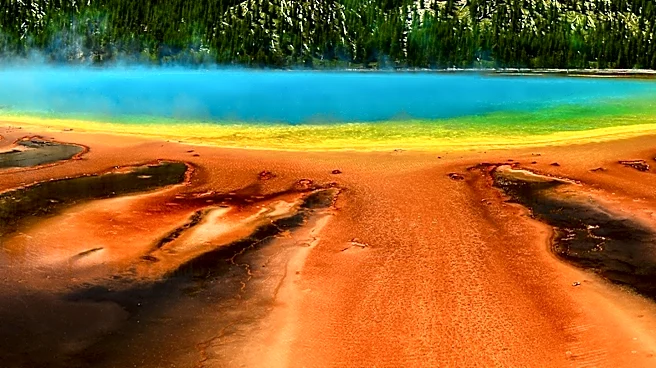
Yellowstone's impact extends beyond its narrative, as it has become a cultural touchstone for many viewers. The series has inspired fan communities, merchandise, and even tourism to filming locations in Montana and Utah. Fans of the show are drawn to its compelling characters, dramatic storylines, and stunning landscapes, which have become synonymous with the Yellowstone brand.
The show's popularity has also influenced the television industry, leading to the development of spin-offs and prequels that expand the Yellowstone universe. These additional series allow fans to explore different aspects of the Dutton family's history and legacy, further cementing Yellowstone's place in popular culture.
In conclusion, Yellowstone's cultural impact is undeniable, as it has reinvigorated the Western genre and sparked important conversations about representation and land ownership. As the series continues to evolve and expand, it remains a powerful force in the television landscape, captivating audiences with its rich storytelling and complex characters.