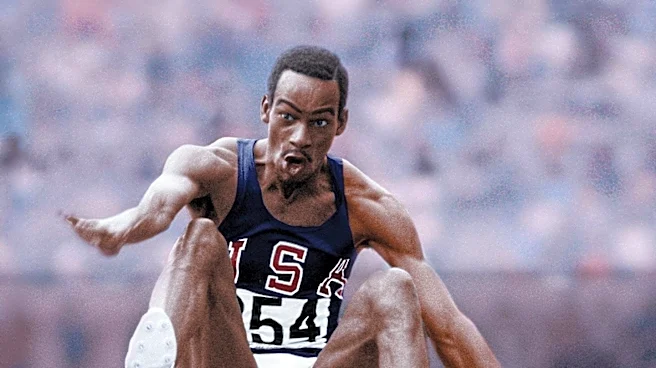







The 1968 Summer Olympics, officially known as the Games of the XIX Olympiad, marked a significant moment in sports history as they were the first Olympic Games ever to be held in Latin America. Hosted in Mexico City from October 12 to 27, these games brought together a vast international contingent of athletes and nations, showcasing a global sporting spectacle in a new geographic region. The event was a monumental undertaking, involving thousands
of participants and numerous disciplines, setting a precedent for future Olympic Games in non-traditional host regions.
Scale and Scope of the Games
The Mexico City Olympics were an event of considerable scale, drawing 5,516 athletes from 112 nations. These athletes competed across 172 events, spanning 18 sports and encompassing 24 different disciplines. This broad participation underscored the growing international reach and appeal of the Olympic movement. The sheer number of events and participants highlighted the logistical challenges and triumphs of hosting such a large-scale international competition.
The athletic program was diverse, featuring a wide array of sports that captivated audiences worldwide. For instance, the athletics events alone, which took place from October 13 to 20, saw 1,031 athletes from 93 countries compete in 36 different events. This particular segment of the games was a major draw, demonstrating the global interest in track and field competitions. The extensive participation in athletics reflected the universal appeal of these fundamental sports.
Diverse Sporting Disciplines
Beyond athletics, the 1968 Games included a rich variety of sports. Swimming events, for example, were held from October 17 to 26, with 468 swimmers representing 51 nations competing in 29 events. This significant turnout for swimming highlighted its importance within the Olympic program and the competitive spirit among nations in aquatic sports. The inclusion of such a wide range of disciplines ensured that the Games offered something for every sports enthusiast.
Other notable sports featured in the 1968 Summer Olympics included basketball, boxing, canoeing, cycling, diving, equestrian events, fencing, field hockey, football, gymnastics, modern pentathlon, rowing, sailing, shooting, volleyball, water polo, weightlifting, and wrestling. Additionally, Basque pelota and tennis were included as demonstration sports, offering a glimpse into potential future Olympic events. This comprehensive list of sports underscored the multi-faceted nature of the Olympiad and its role in promoting diverse athletic endeavors on a global stage.
Medal Recognition and Unique Occurrences
The medal table for the 1968 Games was compiled based on information from the International Olympic Committee (IOC), adhering to their conventional sorting methods. This system prioritizes gold medals, followed by silver, and then bronze, to determine a nation's standing. A unique aspect of the medal awards in 1968 was the practice in boxing, where two bronze medals were given to losing semi-finalists, eliminating the need for a third-place tiebreaker match. This approach ensured that both athletes who reached the semi-finals but did not advance to the gold medal match were recognized for their achievements.
Furthermore, in gymnastics, a rare occurrence led to two gold medals being awarded in both the men's horizontal bar and the women's floor exercise. This decision was made due to a first-place tie in both events, meaning no silver medal was awarded in these specific competitions. Such instances highlight the competitive intensity and the precise nature of judging in Olympic sports, where athletes can perform at such an identical level that a single winner cannot be determined. These details contribute to the unique history of the 1968 Mexico City Games.