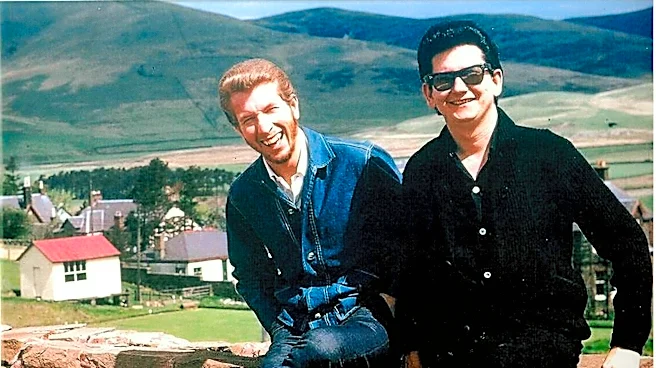




Rick Nelson's 1972 hit, "Garden Party," stands as a poignant musical commentary on the complexities of artistic evolution and the often-conflicting expectations of a loyal audience. Written by Nelson himself, the song directly addresses his disheartening experience at a 1971 concert at Madison Square Garden, where he was booed by a crowd seemingly unwilling to embrace his contemporary country rock sound. This track not only became his last top 40
hit, reaching number 6 on the U.S. Billboard pop chart, but also served as a powerful statement about an artist's right to grow and change, even if it means alienating some long-time fans.
The narrative embedded within "Garden Party" offers a unique insight into the pressures faced by musicians, particularly those who achieve early fame. Nelson, a former teen idol, found himself in a position where his past successes overshadowed his current artistic endeavors. The song's enduring appeal lies in its universal theme: the struggle to remain true to oneself while navigating external pressures and the desire to please others.
The Genesis of a Hit Song
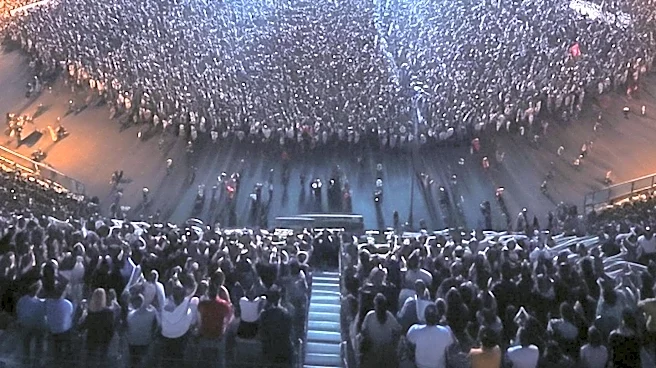
"Garden Party" was born out of a moment of profound disappointment for Rick Nelson. On October 15, 1971, he and the Stone Canyon Band performed at Richard Nader's Rock 'n Roll Spectacular Volume VII concert at Madison Square Garden. This event, featuring early rock legends like Chuck Berry and Bo Diddley, was largely a nostalgia act. Nelson, listed as a "special added attraction," presented his then-current country rock material, a significant departure from the rockabilly and pop hits that had made him famous.
The audience's reaction was swift and negative; Nelson was booed. The reasons cited for this hostile reception included his appearance—sporting long hair and "mod" clothing—and his choice to play newer songs rather than his classic hits. This experience left Nelson feeling "disgusted," and it was this raw emotion that he channeled directly into the lyrics and melody of "Garden Party." The song became an immediate and direct response to the perceived rejection, transforming a personal setback into a widely relatable artistic expression.
Chart Success and Critical Reception
Despite the negative experience that inspired it, "Garden Party" proved to be a significant commercial success for Rick Nelson. Released in July 1972, it quickly climbed the charts, peaking at number 6 on the U.S. Billboard pop chart. This marked a notable comeback for Nelson, as it was his last song to reach the top 40. The track also demonstrated its broad appeal by topping the Billboard Easy Listening chart for two weeks and reaching number 44 on the Billboard Country Singles chart, reflecting its country rock genre.
Its success underscored the fact that while a specific segment of the Madison Square Garden audience might have preferred the "old" Rick Nelson, a larger listenership was receptive to his evolving sound. The album *Garden Party*, which featured the song, was Nelson's twentieth studio album and further solidified his commitment to the country rock genre. The album debuted on the Billboard Top LPs & Tape chart in December 1972, remaining on the chart for 18 weeks and peaking at number 32.
Enduring Influence and Interpretations
The themes explored in "Garden Party" have resonated with artists and audiences for decades, leading to various covers and tributes. In 2012, Adam Young of Owl City covered the song, sharing it with his followers on SoundCloud and his personal blog. Later that same year, Phish opened their New Year's Eve concert at Madison Square Garden with the song, with bassist and singer Mike Gordon performing in a shirt reminiscent of George Harrison's *Sgt. Pepper's Lonely Hearts Club Band* cover attire. Gary Pig Gold also recorded his own take on the song, which appeared on a tribute CD in 2013.
These interpretations highlight the song's timeless message about artistic integrity and the challenge of navigating public perception. "Garden Party" remains a powerful reminder that an artist's journey is often one of continuous change, and true fulfillment comes from pleasing oneself rather than attempting to satisfy every external demand.