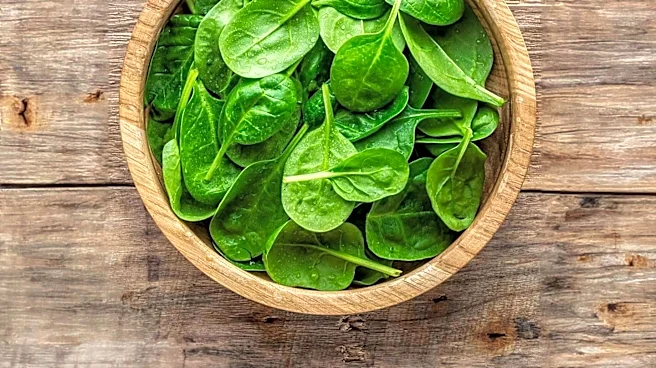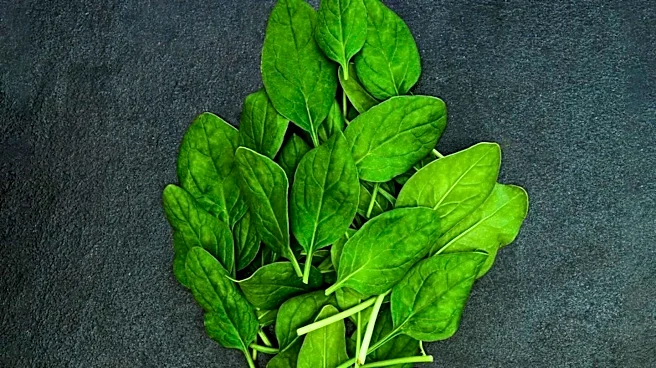








Spinach, a leafy green vegetable, has a rich history that spans continents and centuries. Originating in ancient Persia, spinach has traveled far and wide, becoming a staple in various cuisines around the world. This article delves into the historical journey of spinach, tracing its path from its early days in Persia to its widespread popularity today.
Origins in Ancient Persia
Spinach is believed to have originated around 2,000 years ago in ancient Persia, which is present-day
Iran. It was here that the plant first began its journey as a cultivated vegetable. The Persians recognized the nutritional value of spinach, which is rich in vitamins and iron, and began to incorporate it into their diet. From Persia, spinach made its way to India, where it continued to be valued for its health benefits.
The spread of spinach from Persia to other parts of Asia was facilitated by trade routes and cultural exchanges. In 647 CE, spinach was introduced to China via Nepal, where it was known as the "Persian vegetable." This introduction marked the beginning of spinach's integration into Chinese cuisine, where it remains popular to this day.
Arrival in the Mediterranean
Spinach's journey continued as it made its way to the Mediterranean region. In 827 CE, the Arabs introduced spinach to Sicily, and it quickly gained popularity in the Arab Mediterranean. The first written evidence of spinach in the Mediterranean can be found in three 10th-century works, including a medical text by al-Rāzī and agricultural treatises by Ibn Waḥshīyah and Qusṭus al-Rūmī.
By the latter part of the 12th century, spinach had reached the Iberian Peninsula, where it was referred to as raʾīs al-buqūl, meaning 'the chieftain of leafy greens.' This nickname highlights the high regard in which spinach was held in the region. The vegetable's popularity continued to grow, and it became a staple in Mediterranean diets.
Spinach in Modern Times
Today, spinach is a global vegetable, enjoyed in various forms across the world. It is consumed fresh, cooked, or preserved through methods such as canning, freezing, and dehydration. The taste of spinach can vary significantly between its raw and cooked forms, with cooking methods like blanching helping to reduce its high oxalate content.
Spinach's journey from ancient Persia to modern kitchens is a testament to its enduring appeal and nutritional value. As a versatile and healthy ingredient, spinach continues to be a favorite in many cuisines, from Asian stir-fries to Mediterranean salads. Its rich history and widespread popularity make spinach a truly global vegetable, cherished by cultures around the world.