





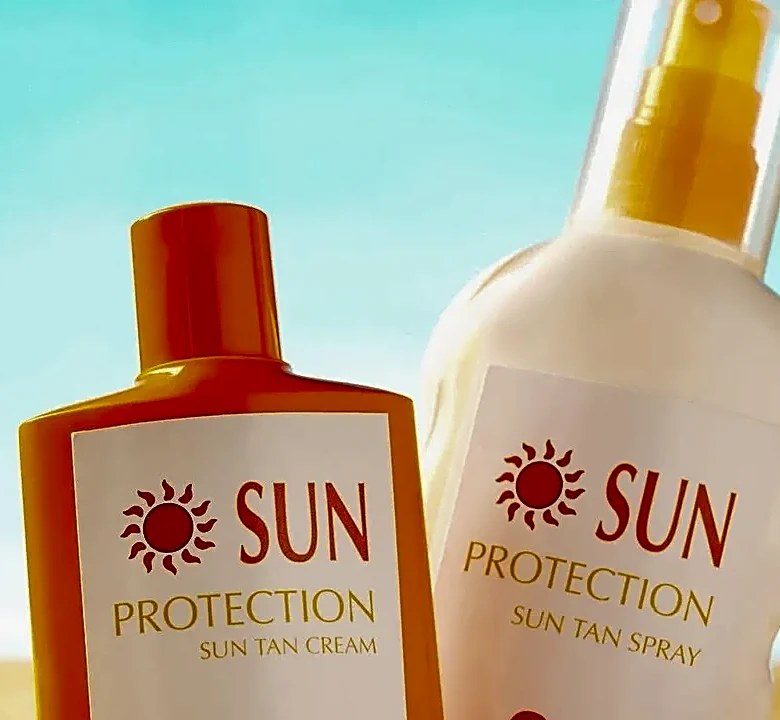



After-sun products are specifically designed for the care and treatment of skin following intense exposure to sunlight. These products are particularly useful in cases of sunburn, aiming to soothe and restore the skin. The development and use of such remedies have a history stretching back to the late 19th century, evolving from early concoctions like lactic acid with glycerin and rosewater to the more sophisticated formulations available today. The understanding
of sunlight's role in skin damage, especially its connection to skin cancer, became a significant topic in the 1940s and 1950s, further emphasizing the need for effective post-sun care.
Formulations and Key Ingredients
Most after-sun products are formulated as emulsions, such as lotions and creams, or as gels. These preparations are designed to deliver moisture and active ingredients that possess anti-inflammatory and antioxidant properties. Many of these active components are plant-based, drawing from natural sources known for their soothing effects. For instance, azulene and bisabolol, derived from chamomile, are common anti-inflammatory agents. Glycyrrhizin, extracted from licorice root, also contributes to the calming effects of these products.Beyond these, various plant extracts are frequently incorporated, including those from witch hazel, chamomile, and aloe vera. These extracts are valued for their ability to provide relief and support skin recovery. The goal is to replenish the skin's depleted pool of dermal antioxidants, thereby strengthening its natural defense system against the damage caused by sun exposure. This comprehensive approach helps to mitigate the immediate discomfort and long-term effects of intense sunlight.
Therapeutic Effects and Cooling Agents
Anti-inflammatory substances like panthenol and azulene are included in after-sun products to alleviate erythema, which is the redness and inflammation associated with sunburn. These ingredients also help to reduce related symptoms such as pain and burning sensations. While their anti-inflammatory effects are generally considered mild, they contribute significantly to the user's comfort. The cooling sensation often associated with after-sun products comes from ingredients like menthol and other alcohols.These cooling agents provide immediate, albeit short-term, relief from the uncomfortable warmth experienced on sun-irritated skin. The combination of anti-inflammatory and cooling components works synergistically to provide a more pleasant and effective post-sun treatment. Additionally, the inclusion of antioxidants aims to combat the oxidative stress induced by UV radiation, helping to protect skin cells from further damage. Other ingredients like allantoin, jojoba oil, amino acids from silk protein fibroin, collagen, unsaturated fatty acids, and fat-soluble vitamins (A, C, and E) further enhance the skin's repair and hydration processes.