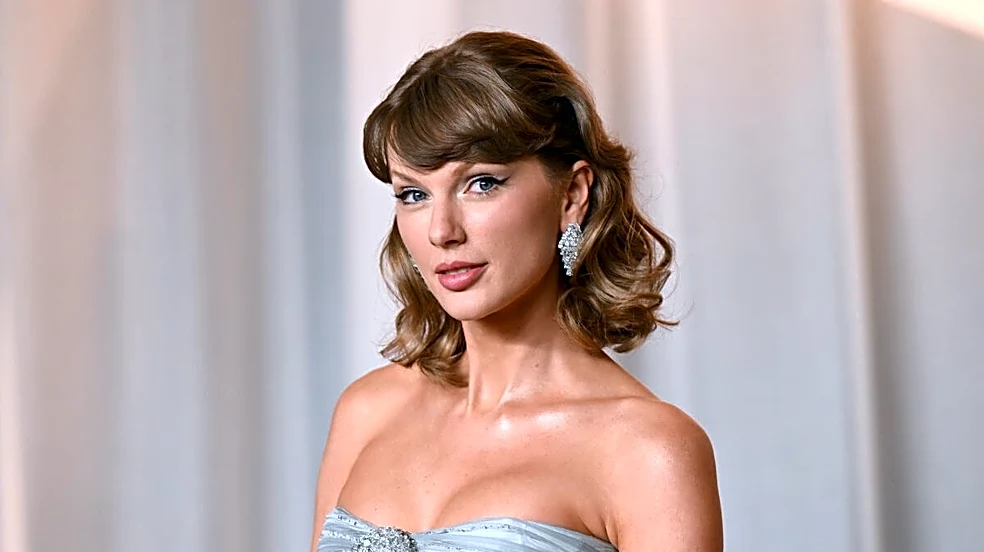










Taylor Swift's fourth studio album, "Red," released on October 22, 2012, through Big Machine Records, represented a pivotal moment in her artistic evolution. Produced over two years and featuring 16 tracks, the album was widely recognized for its ambitious blend of musical styles, moving beyond her established country roots. Critics noted that "Red" flirted with pop sensibilities, redefined her country sound, and offered tender ballads, creating a diverse
musical landscape. This eclectic approach led many to describe it as her most ambitious and dynamic work to date, showcasing Swift's willingness to experiment with various genres and sounds.
Critical Acclaim and Genre Blending
"Red" garnered generally positive reviews from music critics, accumulating 77 out of 100 points on Metacritic based on professional critiques. Stephen Thomas Erlewine of Allmusic awarded it a perfect five stars, observing that the album "barely winks at country, and is a better album for it." He highlighted that despite its genre exploration, "Red" remained distinctly Taylor Swift's work, with her youthful persona at its core, allowing her to experiment with new trends while maintaining her unique sound. This sentiment was echoed by Ryan Gardner of Absolute Punk, who called it Swift's most ambitious and dynamic album, noting its blend of pop sensitivity, redefined country roots, and tender ballads, suggesting it had "a little bit of everything."Various critics pointed out the album's departure from a strict country classification. Joseph Hudak of Country Weekly, while giving a mixed review, stated that "Red" was not a bona fide country album but could very well be a pop masterpiece. He even compared it more favorably to P!nk's "The Truth About Love" than to Swift's own predecessor, "Speak Now." Jon Dolan of Rolling Stone described "Red" as a "16-song geyser of willful eclecticism that is only tangentially related to Nashville," awarding it three and a half out of five stars. This widespread critical observation underscored the album's significant genre shift.
Comparisons to Shania Twain and Pop Dominance
The genre-bending nature of "Red" frequently drew comparisons to Shania Twain, particularly her 2002 album "Up!" Andrew Hampp and Jason Lipshutz of Billboard commented that "Red" placed Swift "front and center with big, beefy hooks that transcend her country roots for a record that reaches heights not seen since Up! (2002) by Shania Twain." Philip Matusavage of musicOMH also praised the album and Swift, comparing her positively to Twain and noting that there aren't many pop stars like Taylor Swift. These comparisons highlighted Swift's successful transition into a more pop-oriented sound while still maintaining a broad appeal.Jewly Hight of American Songwriter declared that "Red" made it official: Swift was the leading romantic pop singer of her generation. Jonathan Keefe of Slant Magazine noted that Swift's material was often best when it shed its ill-fitting country label and focused on her unusual talent for writing pop hooks. He suggested that "Red" played like a study course in contemporary pop, with Swift and her collaborators seeking the style that best suited her. This perspective emphasized the album's role in solidifying Swift's position as a major pop artist.
Themes of Maturity and Emotional Depth
Beyond its musical experimentation, "Red" was also recognized for its thematic maturity and emotional depth. James Reed of Boston Globe observed that with her fourth album, Swift had "become a young woman, and that joke is no longer funny. Now she is writing about heartbreak from a decidedly adult perspective." Robert Leedham of Drowned In Sound highlighted the interpreter's maturity on the record, though he added that "Red remains firmly rooted in the intersection between innocence and experience." This balance between youthful perspective and adult understanding contributed to the album's complex emotional landscape.Melissa Maerz of Entertainment Weekly positively reviewed the album, singling out "We Are Never Ever Getting Back Together" and "All Too Well" as its best tracks, both of which explore the tumultuous nature of relationships. Randall Roberts of Los Angeles Times commented that Swift often played the role of the teacher rather than the student in her new songs, offering lessons on musical versatility while keeping her focus on the emotional workings of her heart. This blend of musical exploration and mature lyrical content solidified "Red" as a significant artistic statement in Taylor Swift's career, showcasing her growth as both a songwriter and a performer.
A Transitional Album with Lasting Impact
Many critics viewed "Red" as a transitional album, hinting at a more mature sound for Swift. James Lachno of Telegraph, who also compared Swift to Shania Twain, noted that "Red is a transitional album, hinting at a more mature sound." Michael Gallucci of The A.V. Club gave it a positive rating, writing that "Red is the next step to putting those awkward teenage years behind her." Alex Macpherson of The Guardian also praised the artist's change compared to her previous albums, rating it four out of five stars. These observations collectively suggest that "Red" was not just an album of musical experimentation but also a crucial step in Swift's journey toward artistic maturity and broader appeal.The album's impact was further recognized when Billboard magazine readers chose "Red" as the best album of the year in mid-2013, surpassing other notable releases like Justin Bieber's "Believe Acoustic" and Bon Jovi's "What About Now." This public recognition, alongside critical acclaim, cemented "Red" as a landmark album that successfully navigated a significant artistic transition for Taylor Swift, establishing her as a versatile artist capable of transcending genre boundaries.