








Transcendental Meditation (TM) has been a subject of both admiration and controversy since its introduction by Maharishi Mahesh Yogi. While it is praised for its stress-relief benefits and promotion of higher consciousness, TM has also faced criticism and legal challenges. This article delves into the controversies surrounding Transcendental Meditation, exploring the debates over its religious nature and scientific claims.
Religious Nature and Legal Challenges
One of the primary controversies
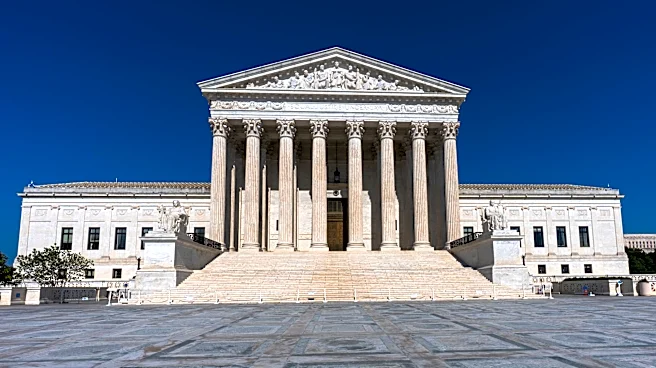
surrounding Transcendental Meditation is its classification as a religious practice. While the TM organization presents it as a non-religious method for self-development, critics argue that its roots in Hinduism and the use of mantras suggest otherwise. This debate reached a legal climax in 1977 when a U.S. district court ruled that TM and the Science of Creative Intelligence were religious activities, thus barring their teaching in public schools.
The ruling was based on the argument that TM's practices and teachings were essentially religious in nature, violating the First Amendment of the United States Constitution. This decision had significant implications for the TM movement, affecting its ability to receive government support and funding for educational programs.
Scientific Claims and Criticisms
Transcendental Meditation has been the subject of numerous scientific studies, with proponents claiming various psychological and physiological benefits. However, the scientific community remains divided on the validity of these claims. Critics argue that many studies on TM suffer from methodological flaws and potential biases, often due to the involvement of researchers affiliated with the TM organization.
Despite these criticisms, some studies suggest that TM may have comparable effects on psychological well-being as other meditation techniques. Research indicates that TM practice may lower blood pressure, although findings are mixed and sometimes attributed to poorly designed studies. The American Heart Association has acknowledged TM as a potential treatment for hypertension, though it emphasizes the need for more robust clinical evidence.
The Ongoing Debate
The controversies surrounding Transcendental Meditation highlight the complexities of integrating ancient spiritual practices into modern society. While TM continues to attract practitioners worldwide, debates over its religious nature and scientific validity persist. These controversies underscore the need for ongoing research and dialogue to better understand the practice and its effects.
As Transcendental Meditation evolves, it remains a focal point for discussions on the intersection of spirituality, science, and self-development. Whether viewed as a religious practice or a secular technique, TM's impact on individuals and society continues to be a topic of interest and debate.