






The Chrysler Hemi engine, a name synonymous with high performance in American automotive history, represents a series of overhead valve V8 engines distinguished by their hemispherical combustion chambers. Chrysler has produced three distinct generations of these powerful engines, each marking a significant point in engineering and design. From its initial introduction in the 1950s to its modern iterations, the Hemi has consistently been a benchmark
for power and efficiency, evolving to meet changing demands while retaining its core identity.
The FirePower Series: Laying the Foundation (1951-1958)
The first generation of Chrysler's Hemi engines, known as the FirePower series, debuted in 1951. These early Hemi engines featured displacements ranging from 241 to 392 cubic inches (3.9 to 6.4 liters). This initial series established the fundamental principles of the Hemi design, which prioritized power output. The hemispherical combustion chamber itself is a key design element, offering an efficient shape with an excellent surface-to-volume ratio. This design minimizes heat loss to the cylinder head and provides ample space for two large valves, which are crucial for efficient intake and exhaust gas flow. The FirePower engines were a testament to Chrysler's early commitment to high-performance engineering, setting the stage for the Hemi's enduring legacy.
However, even in its early form, the Hemi design presented certain engineering challenges. The complex valve train, necessary to accommodate the large, splayed valves, made these engines more expensive to build compared to conventional designs. The intake and exhaust valves, positioned on opposite sides of the chamber, necessitated a "cross-flow" head design. Furthermore, to achieve the desired compression ratio with a hemispherical chamber, a flat-topped piston would result in a low compression ratio unless a very long stroke was used. Consequently, the piston crown was typically domed to protrude into the head at top dead center, creating a combustion chamber shaped by the space between the domed piston and the head's dome. This intricate design, while contributing to power, also meant the engines were larger and heavier than other contemporary V8s.
The Legendary 426 Hemi: Race and Street Dominance (1964-1971)
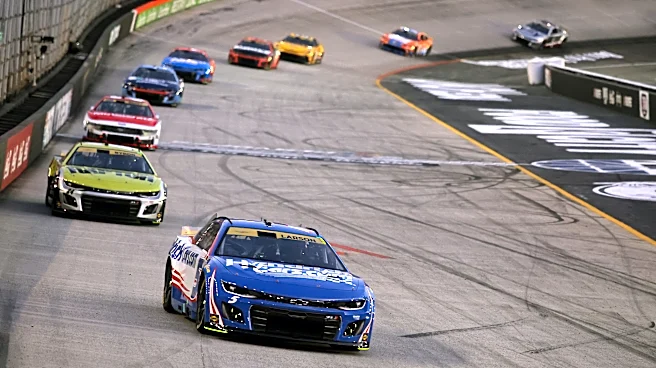
The second generation of the Hemi engine arrived in 1964 with the iconic 426 cubic inch (7.0 liter) version. This engine was initially developed for racing, particularly NASCAR, and quickly gained a reputation for its formidable power. Its success on the track led to its eventual availability in street vehicles, cementing its status as a performance legend. The 426 Hemi continued to leverage the advantages of the hemispherical combustion chamber, including its ability to house large valves and promote a strong flame front due to the centrally located spark plug. This generation truly defined the Hemi as a high-performance powerhouse.
Despite its racing prowess and street credibility, the 426 Hemi inherited some of the inherent complexities of the hemispherical design. The wide cylinder head, required by the splayed valve stems, added to the overall width of the engine, which could limit its installation in certain vehicles. The intricate rocker arm geometry, whether in cam-in-block or single overhead cam configurations, further contributed to the engine's complexity and cost. These factors, combined with the engine's weight, were significant considerations. The 426 Hemi's reign, though impactful, eventually concluded in 1971, making way for future developments in engine technology.
The Modern Hemi: Performance Meets Efficiency (2003-Present)
Chrysler reintroduced the Hemi nameplate in 2003 with a new family of advanced Hemi engines, displacing between 5.7 and 6.4 liters (348 and 391 cubic inches). While still bearing the "HEMI" trademark, the combustion chambers in these modern engines are described as flatter and more complex than their 1950s and 1970s predecessors, and are no longer truly hemispherical. This evolution reflects a shift towards optimizing combustion efficiency and meeting contemporary emissions standards, alongside maintaining high performance.
These third-generation Hemi engines incorporate several advanced technologies. They utilize a coil-on-plug (distributor-less) ignition system and feature two spark plugs per cylinder. This dual-spark plug arrangement is designed to shorten flame travel, leading to more consistent combustion and reduced emissions. Furthermore, some versions of the modern Hemi employ a variable displacement technology known as Multi-Displacement System (MDS). MDS can deactivate two cylinders on each bank under light load conditions, significantly improving fuel economy. This blend of power and efficiency demonstrates how Chrysler has adapted the Hemi concept to the demands of the 21st century, ensuring its continued relevance in the automotive landscape. The modern Hemi has also been optimized for heavy-duty truck service, with some versions offered with one or two four-barrel carburetors in Dodge's heaviest-duty models as the 'Power Giant V-8' from 1957 through 1959, showcasing its versatility and robust design across different applications.