

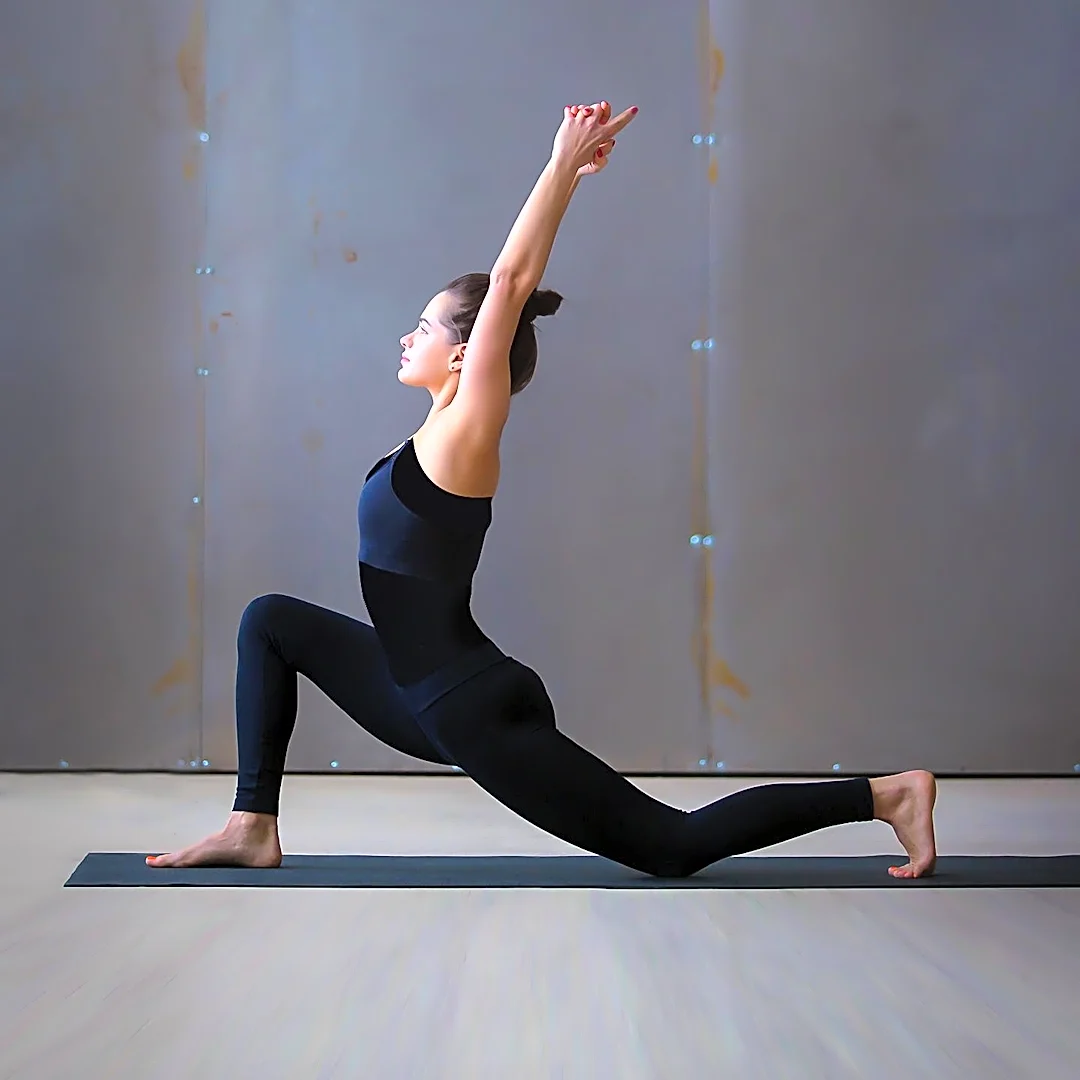






The front split, a challenging yet rewarding yoga posture, is known by several names across different traditions, reflecting both its physical form and its deeper significance. In its full expression, it is commonly called Hanumanasana, a name steeped in ancient mythology. However, variations and preparatory poses, such as Ardha Hanumanasana (the half-split), are crucial steps in achieving this advanced flexibility. The front split involves extending
one leg forward and the other leg to the rear of the torso, demanding significant flexibility in the hamstrings and hip flexors. This exploration delves into the diverse nomenclature and interpretations of this powerful pose within the yoga world.
Hanumanasana: The Mythological Leap
At the heart of the front split's traditional naming is Hanumanasana, a pose that pays homage to Hanuman, a revered figure in Hindu mythology. Hanuman, a divine monkey-god, is celebrated for his extraordinary strength, devotion, and his legendary leap across the ocean to Lanka. The pose is designed to physically embody this epic feat, symbolizing courage, determination, and the ability to transcend perceived limitations. For practitioners, engaging in Hanumanasana is not merely a physical exercise but an act that connects them to this rich narrative and the qualities Hanuman represents.
Achieving the full Hanumanasana requires a high degree of flexibility, particularly in the iliofemoral ligament, which connects the femur to the pelvis. Without sufficient flexibility in this area, the majority of the required range of motion must come from the front hip joint. This makes the pose a significant milestone for many yoga practitioners, often approached through preparatory poses like Ardha Hanumanasana, where "Ardha" means "half," indicating a less intense, foundational version of the full split.
The Runner's Stretch in Kripalu Yoga
While Hanumanasana carries deep mythological weight, some yoga traditions adopt names that highlight the functional benefits of the pose. In Kripalu yoga, for example, the posture corresponding to Hanumanasana is often referred to as the "Runner's Stretch." This alternative name immediately communicates the practical application of the pose, particularly for athletes or individuals seeking to improve flexibility in muscle groups crucial for running.
The "Runner's Stretch" emphasizes the lengthening of the hamstrings in the front leg and the hip flexors in the back leg, which are common areas of tightness for runners. By focusing on this functional aspect, Kripalu yoga makes the pose accessible and relevant to a broader audience, demonstrating how yoga can be integrated into physical training and injury prevention. This naming convention underscores a different pedagogical approach, prioritizing the immediate physical benefits over the traditional mythological narrative.
Samakonasana in Ashtanga Vinyasa Yoga
Another distinct naming convention for the front split is found in Ashtanga Vinyasa Yoga, where it is called Samakonasana. This term, like others in Ashtanga, reflects a specific lineage and its unique Sanskrit terminology. While the physical execution of Samakonasana aligns with the front split, its distinct name within the Ashtanga system highlights the diversity of nomenclature across different yoga styles.
Ashtanga Vinyasa Yoga is known for its rigorous and structured sequences, and its precise Sanskrit naming system is an integral part of its tradition. The use of Samakonasana for the front split indicates a specific classification within the Ashtanga series. This variation in naming across Kripalu, Ashtanga, and general yoga practices illustrates that while the physical form of the front split remains consistent, its identity and emphasis can shift depending on the specific school or tradition. These different names offer practitioners various entry points and perspectives on the same fundamental posture.