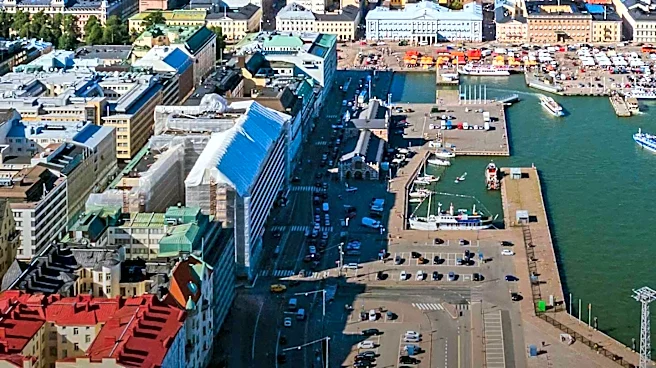








Finland played a crucial role in the establishment and success of the Conference on Security and Co-operation in Europe (CSCE), serving as a neutral ground for dialogue between East and West during the Cold War. The country's strategic involvement in the CSCE was driven by its unique geopolitical position and desire to foster peace and stability in Europe. Finland's contributions to the CSCE were instrumental in shaping the conference's outcomes and legacy.
Finland's Strategic Position
Finland's geopolitical position made it an ideal host for the CSCE, as it maintained balanced relations with both East and West. The Finnish government, led by President Urho Kekkonen, recognized the potential benefits of hosting the conference, particularly in terms of reducing political tensions in Central Europe. Finland's proposal to host the CSCE was seen as a way to recover from the shock of the occupation of Czechoslovakia and promote genuine negotiations.
The Finnish initiative differed from the Soviet Union's proposal, as it did not make the recognition of two Germanys a threshold issue for holding the conference. This approach allowed Finland to offer a neutral platform for dialogue, including participation from the United States and Canada. Finland's balanced relations with both Germanies further strengthened its position as a host, providing a unique opportunity to facilitate discussions.
Hosting the CSCE
The first phase of the CSCE took place in Helsinki in 1973, where foreign ministers gathered to set the stage for future negotiations. Finland's role as host was crucial in creating a positive atmosphere for dialogue, described by Foreign Minister Ahti Karjalainen as the "Spirit of Helsinki." This spirit of cooperation and openness was essential in overcoming challenges and fostering constructive discussions.
The Helsinki summit in 1975 marked the culmination of the CSCE's efforts, resulting in the signing of the Helsinki Accords. Finland's contributions to the conference were instrumental in achieving this milestone, as the country provided a neutral and supportive environment for negotiations. The Accords, although non-binding, represented a significant step towards reducing tensions and fostering cooperation across Europe.
Finland's Legacy in the CSCE
Finland's involvement in the CSCE left a lasting legacy, as the principles established during the conference continue to guide international relations. The country's strategic role in hosting the CSCE demonstrated the power of diplomacy and neutrality in fostering dialogue and cooperation.
The transformation of the CSCE into the Organisation for Security and Co-operation in Europe (OSCE) in 1994 further reflects Finland's enduring influence. The OSCE continues to promote peace, security, and human rights, building on the foundations established during the Helsinki summit. Finland's contributions to the CSCE remain a testament to the importance of strategic diplomacy in addressing global challenges.