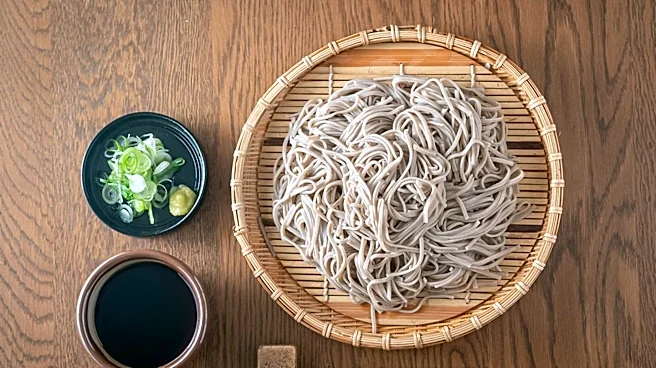








Soba noodles hold a special place in Japanese culture, not just as a staple food but as a symbol of tradition and social customs. Made primarily from buckwheat flour, these noodles are enjoyed in various forms across Japan, from fast food venues to high-end specialty restaurants. The cultural importance of soba is reflected in its presence in traditional ceremonies and its role in everyday life.
Soba in Japanese Traditions
Soba noodles are deeply embedded in Japanese traditions,
particularly during the New Year celebrations. Known as Toshikoshi soba, these noodles are consumed on New Year's Eve as a way to let go of the past year's hardships. The act of eating soba, which can be easily cut, symbolizes the cutting away of misfortunes. This tradition, which began in the Edo period, highlights the resilience and strength associated with the buckwheat plant, which can withstand severe weather conditions.
In addition to New Year's Eve, soba is also a part of other cultural practices. For instance, the custom of eating soba at festivals is widespread, where it is served in small portions to accommodate large gatherings. This practice not only showcases the versatility of soba but also its role in bringing people together.
Soba in Everyday Japanese Life
Beyond its ceremonial uses, soba is a common feature in the daily lives of many Japanese people. It is available in various settings, from quick-service tachigui-soba stands to upscale dining establishments. The convenience of dried soba noodles, which can be easily prepared at home with instant broth, makes it a popular choice for home-cooked meals.
The etiquette surrounding the consumption of soba also reflects its cultural significance. In Japan, it is customary to slurp soba noodles noisily, especially when they are served hot. This practice is believed to enhance the flavor and is a socially accepted norm, illustrating the unique dining customs associated with soba.
Regional Variations and Modern Adaptations
Soba noodles vary across different regions of Japan, each offering its unique twist on the traditional dish. For example, Okinawa soba, made from wheat flour, differs from the buckwheat-based soba found on the mainland. This regional variation highlights the adaptability of soba to local tastes and ingredients.
In modern times, soba has also been adapted into various contemporary dishes, such as yakisoba, which uses Chinese-style wheat noodles stir-fried with vegetables and meat. These adaptations demonstrate the versatility of soba and its ability to evolve while maintaining its cultural roots.
Overall, soba noodles are more than just a culinary delight in Japan; they are a cultural icon that reflects the country's traditions, social customs, and adaptability.