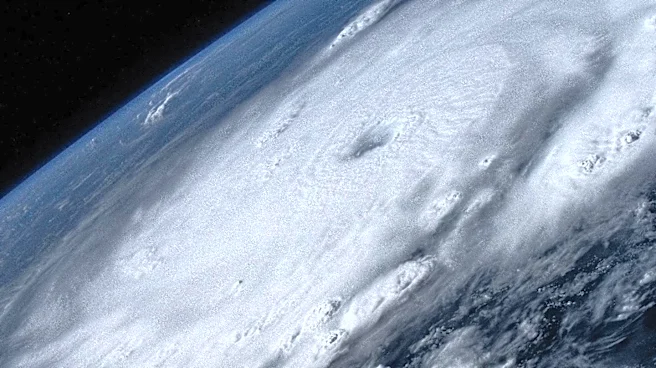







Hurricane Agnes, a Category 1 hurricane in 1972, left a significant mark on the United States, leading to the retirement of its name. This article delves into the reasons behind the retirement of the name Agnes and its lasting impact on hurricane naming conventions.
The Impact of Hurricane Agnes
Hurricane Agnes was the costliest hurricane to hit the United States at the time, causing an estimated $2.1 billion in damage. The storm's death toll reached 128, with widespread effects
from the Caribbean to Canada. The east coast of the United States, particularly Pennsylvania, experienced the heaviest damage due to intense flooding.
In Pennsylvania, Agnes was the state's wettest tropical cyclone, causing severe flooding of the Susquehanna and Lackawanna Rivers. The storm demolished more than 3,000 businesses and 68,000 homes, leaving at least 220,000 people homeless. The economic and human toll of Hurricane Agnes was immense, prompting a reevaluation of hurricane preparedness and response strategies.
The Retirement of the Name Agnes
Due to the significant impact of Hurricane Agnes, the name was retired in the spring of 1973. The retirement of a hurricane name occurs when a storm is so deadly or costly that the future use of its name would be inappropriate for reasons of sensitivity. The World Meteorological Organization is responsible for the retirement of hurricane names, ensuring that names associated with particularly destructive storms are not reused.
The retirement of the name Agnes marked a turning point in hurricane naming conventions. It highlighted the importance of recognizing the lasting impact of severe storms and the need for sensitivity in naming future hurricanes. The retirement process also serves as a reminder of the power and unpredictability of tropical cyclones.
The Legacy of Hurricane Agnes
The legacy of Hurricane Agnes extends beyond its immediate impact. The storm prompted improvements in flood management and emergency response strategies, particularly in Pennsylvania. The construction of levee systems and reservoirs in response to Agnes has helped mitigate the impact of future storms.
Hurricane Agnes also serves as a reminder of the importance of preparedness and resilience in the face of natural disasters. The lessons learned from Agnes continue to inform hurricane response efforts, ensuring that communities are better equipped to handle the challenges posed by severe weather events.
The retirement of the name Agnes underscores the lasting legacy of the storm and its impact on hurricane naming conventions. It serves as a testament to the power of nature and the resilience of the communities affected by its wrath.