







The U.S. national anthem kneeling protests, initiated by Colin Kaepernick in 2016, rapidly evolved from a singular act of dissent into a widespread movement across various American sports leagues. What began as a quiet protest against racial inequality and police brutality soon became a focal point of national debate, drawing in athletes, politicians, and the public. The movement's trajectory highlights the complex interplay between sports, social
justice, and national identity, demonstrating how a symbolic gesture can ignite significant societal conversations and policy changes.
From NFL Fields to Broader Athletic Arenas
While the protests originated in the National Football League (NFL) with Colin Kaepernick and Eric Reid, they quickly extended beyond American football. In September 2016, Megan Rapinoe, a player for Seattle Reign FC and the U.S. women's national soccer team, knelt during the national anthem, explicitly stating it was a "nod to Kaepernick and everything that he's standing for right now." This act led to the U.S. Soccer Federation passing a policy requiring players to stand "respectfully" during the anthem, making it the first American sports league or governing body to implement such a rule. However, this policy was later repealed, and the federation's new president apologized to Rapinoe, indicating a shift in official stance.
The movement also touched Major League Baseball (MLB), with Bruce Maxwell of the Oakland Athletics becoming the first MLB player to kneel in September 2017. His team publicly supported his constitutional rights and freedom of expression. In the National Basketball Association (NBA), while a policy required players to stand, many expressed support for the NFL protests. During the George Floyd protests, NBA Commissioner Adam Silver reversed his stance, allowing players to kneel as a "unified act of peaceful protest for social justice." This led to entire teams, coaches, and referees kneeling during the anthem in the NBA Bubble, marking a significant moment of collective action.
Political Reactions and Public Discourse
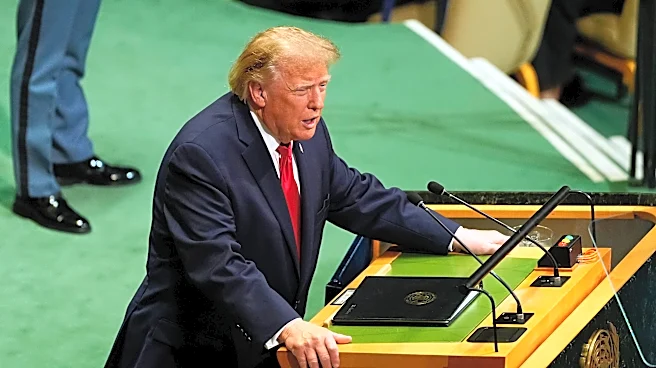
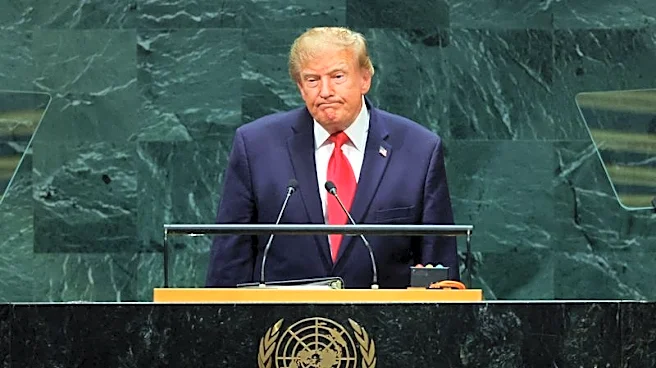
The protests gained broader participation and intensified public debate after then-President Trump criticized the gesture in September 2017. He described it as disrespectful to the U.S. national anthem and flag, urging NFL team owners to "fire" protesting players. In response, over 200 NFL players, along with athletes from other sports, took the knee in subsequent weeks. This political intervention transformed the protests into a national controversy, polarizing opinions and drawing clear lines between supporters and detractors.
Republicans like Florida Senator Marco Rubio, while not always agreeing with the method, supported players' rights to kneel, particularly Miami Dolphins player Kenny Stills, acknowledging his community service. Conversely, some regarded kneeling as disrespectful to those who served the United States, such as military veterans and police officers. This division underscored the differing interpretations of the gesture's meaning and its perceived impact on national symbols and those who defend them.
Lingering Impact and Evolving Forms of Protest
Even after Colin Kaepernick became a free agent and was not signed by any NFL team, his movement continued to gain participants, demonstrating its enduring influence. While coverage since 2021 indicates that kneeling protests largely subsided, social justice displays continued through initiatives like the NFL's "Inspire Change" program, end-zone slogans such as "End Racism," and performances of "Lift Every Voice and Sing," widely considered the Black national anthem. This evolution suggests a shift from direct on-field kneeling to broader institutional support for social justice messaging.
The protests also inspired actions in other countries, with German football club Hertha Berlin taking the knee in solidarity in October 2017. The gesture became a symbol of resistance, heavily discussed on social media with hashtags like #TakeAKnee. While the form of protest may have adapted, the core issues of racial inequality and police brutality that Kaepernick initially highlighted remain central to the ongoing dialogue, demonstrating the lasting impact of the kneeling movement on sports and society.