





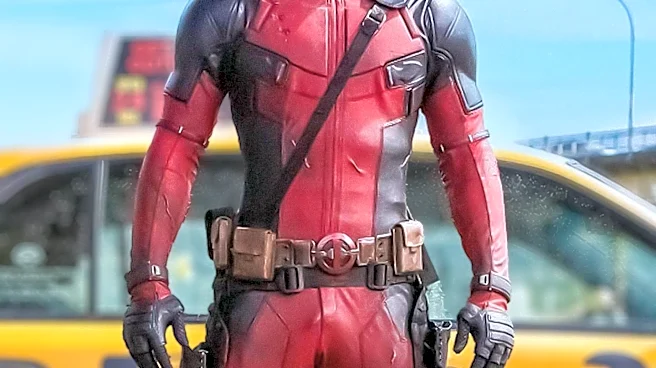
The Marvel Cinematic Universe (MCU) has become a cultural phenomenon, captivating audiences worldwide with its interconnected films and characters. The development of the MCU has been a carefully orchestrated process, evolving through various phases and expanding its reach with each new release. This article delves into the evolution of the MCU, highlighting key milestones and the strategic planning that has shaped its success.
The Early Days and Initial Planning
The journey of the MCU
began in 2005 when Marvel Entertainment started planning to produce its own films independently. By securing funding from a $525 million revolving credit facility with Merrill Lynch in 2007, Marvel Studios laid the groundwork for what would become a cinematic juggernaut. The initial strategy was to release individual films for main characters and eventually merge them in a crossover film, a concept that was relatively novel at the time.
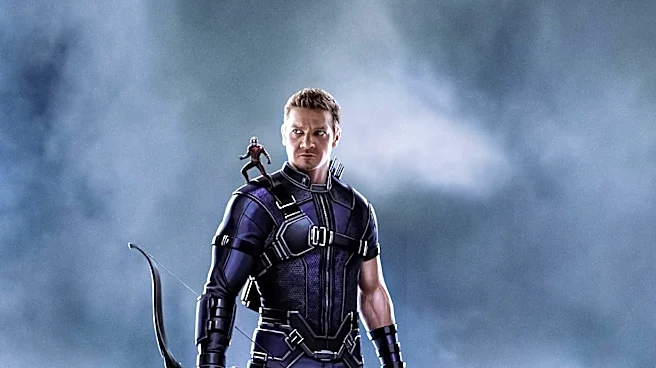
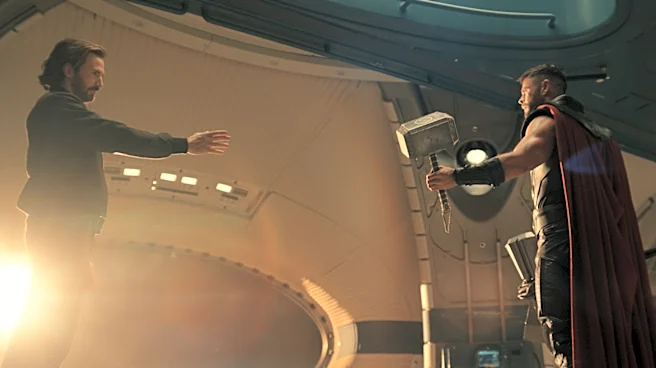
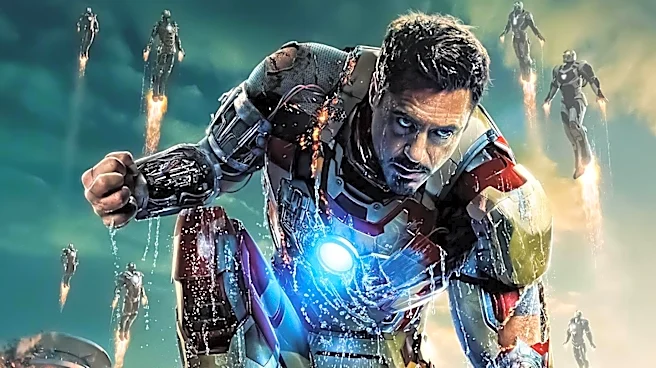
Kevin Feige, the president of Marvel Studios, played a pivotal role in conceiving a shared media universe of Marvel properties. His vision was to create a rhythm of releases that included both existing and new characters, allowing the universe to expand organically. This approach was evident in the early phases, where films like "Iron Man" and "Thor" introduced audiences to individual heroes before bringing them together in "The Avengers."
Expanding the Universe
As the MCU progressed, the studio's strategy evolved to include more films each year. By 2014, Marvel Studios was comfortable with increasing its output to three films a year, a decision driven by the desire to manage existing franchises and capitalize on the momentum of successful releases. This expansion was not just about quantity but also about maintaining the unique qualities of each film, ensuring they stood out from one another and from non-MCU superhero films.
The concept of phases became a defining feature of the MCU, with each phase building towards a larger narrative arc. Phase Three, for example, was described as the "deconstruction Phase," leading into the culmination films "Avengers: Infinity War" and "Avengers: Endgame." This approach allowed the MCU to maintain a cohesive storyline while introducing new characters and storylines.
The Multiverse Saga and Future Plans
In recent years, the MCU has continued to evolve with the introduction of "The Multiverse Saga," encompassing Phases Four, Five, and Six. This new saga aims to explore the multiverse concept, a theme that has been hinted at in various films and series. The studio's future plans include a mix of sequels and new franchises, with a focus on quality over quantity.
Marvel Studios has also been adapting to changes in the industry, such as the impact of the COVID-19 pandemic, which affected release schedules and production plans. Despite these challenges, the MCU remains a dominant force in the entertainment world, with a roadmap that extends well into the future. As the universe continues to expand, fans can look forward to new adventures and the introduction of beloved characters from the Marvel Comics universe.