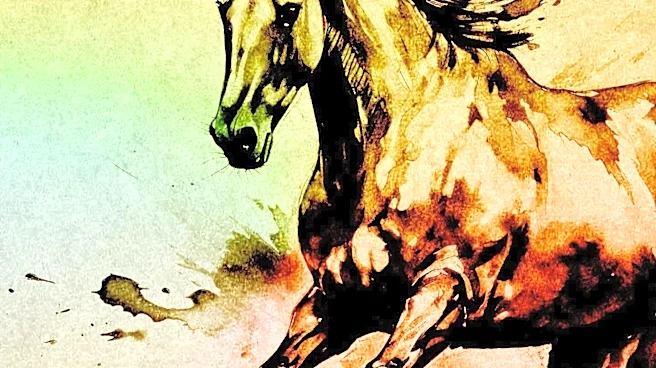








The Fire Horse is a unique and intriguing element of the Chinese zodiac, representing the 43rd combination in the sexagenary cycle. Known as bing wu in Chinese, the Fire Horse is associated with a variety of cultural beliefs and superstitions, particularly in Japan. This article delves into the characteristics of the Fire Horse and its significance within the broader context of the Chinese zodiac.
The Sexagenary Cycle and the Fire Horse
The Chinese zodiac is based on a 60-year cycle known
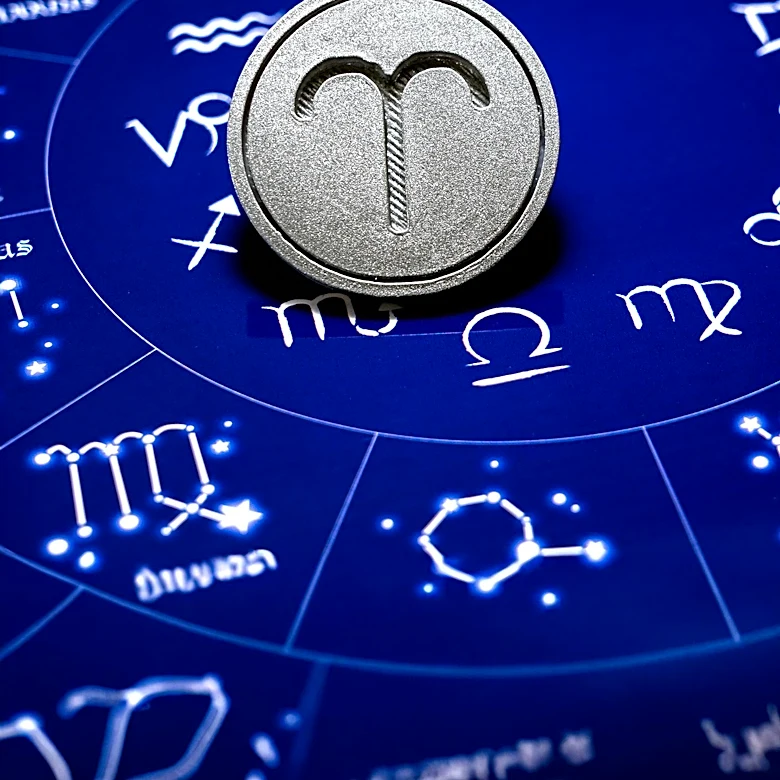
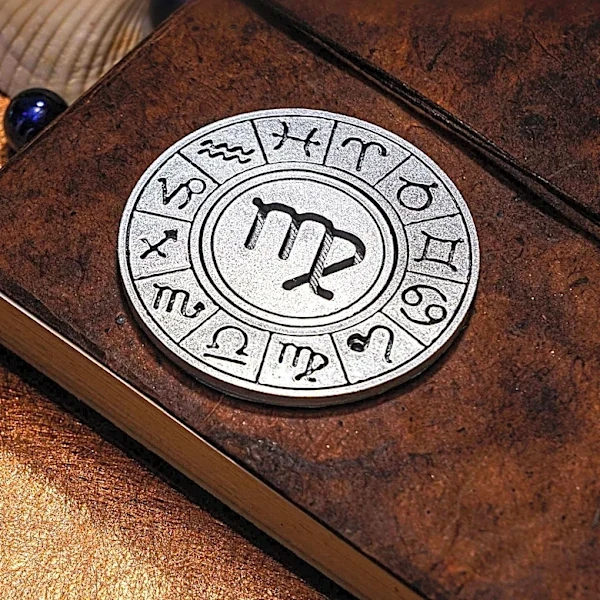
as the sexagenary cycle, which combines the twelve Earthly Branches with the five elements: wood, fire, earth, metal, and water. The Fire Horse, or bing wu, is one of these combinations, occurring every 60 years. The cycle is deeply embedded in Chinese culture and influences various aspects of life, including astrology, fortune-telling, and traditional beliefs.
The Fire Horse is particularly notable for its association with strong and fiery characteristics. In Chinese astrology, those born in a Fire Horse year are believed to possess a dynamic and energetic personality, often characterized by independence and a strong will. However, these traits can also be perceived as challenging, leading to the superstition that Fire Horse individuals may bring misfortune or disruption.
Cultural Beliefs and Superstitions
While the Fire Horse is a part of the Chinese zodiac, its cultural impact is most pronounced in Japan, where it is known as hinoe-uma. The superstition surrounding the Fire Horse suggests that women born in these years have a strong temperament that can negatively affect their families and marriages. This belief has led to significant societal consequences, including a notable decline in birth rates during Fire Horse years.
In Japan, the superstition is so pervasive that it has influenced family planning decisions, with many couples choosing to avoid having children in Fire Horse years. This cultural phenomenon highlights the deep-rooted nature of zodiac beliefs and their impact on societal behaviors.
The Future of the Fire Horse Belief
As the next Fire Horse year approaches in 2026, there is speculation about whether the superstition will continue to hold sway. In recent years, efforts have been made to challenge and dispel these beliefs, with local governments and organizations working to educate the public about the baseless nature of the superstition.
Despite these efforts, the Fire Horse remains a powerful symbol within the Chinese zodiac, representing both the enduring influence of traditional beliefs and the potential for change. As society continues to evolve, the Fire Horse serves as a reminder of the complex interplay between culture, superstition, and modernity.