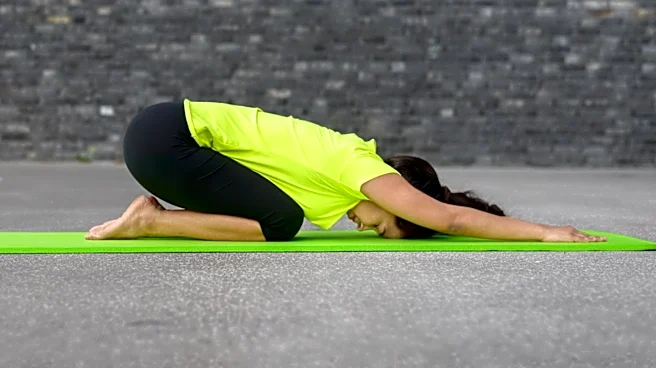

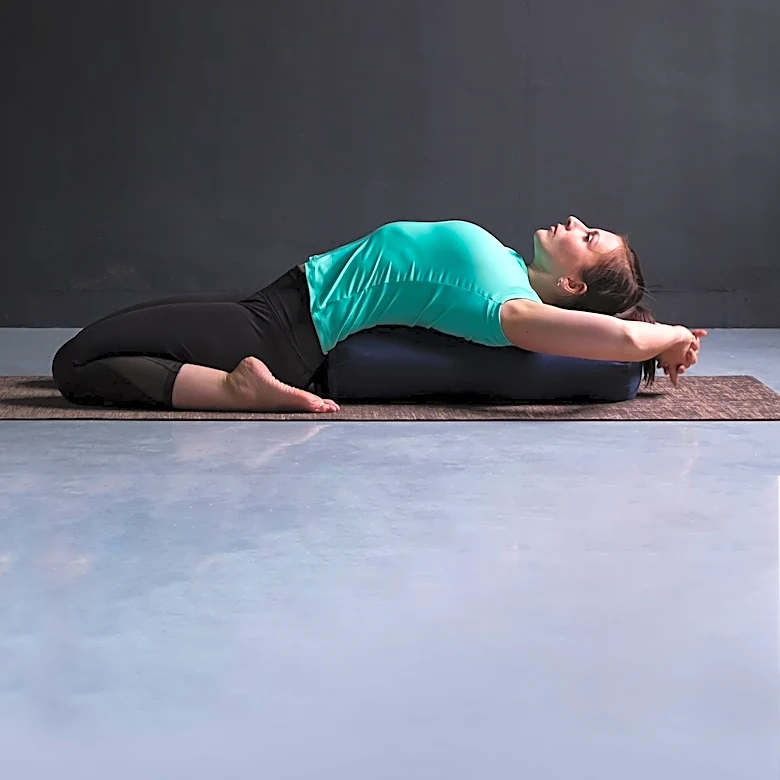



Balasana, or Child Pose, is a foundational asana in modern yoga, known for its calming and restorative effects. While the basic form of Balasana involves kneeling with the forehead on the floor and arms relaxed alongside the body, there are several variations and adaptations that enhance its benefits and accommodate different needs. This article explores these variations, highlighting how they contribute to a more inclusive and adaptable yoga practice.
Basic Form and Common Variations
The traditional form of Balasana involves kneeling with the forehead resting on the floor and the arms relaxed alongside the body, palms facing upwards. This position encourages relaxation and introspection, making it a popular choice for moments of rest during a yoga session.
One common variation involves extending the arms forward in front of the head. This modification can provide a gentle stretch to the shoulders and upper back, enhancing the pose's restorative qualities. For those who experience discomfort in the neck and shoulders, a rolled blanket can be placed on the backs of the lower legs, allowing the forearms to be stacked and the forehead to rest on them. This adaptation helps alleviate tension and supports a more comfortable experience.
Variations for Specific Needs
During pregnancy, practitioners may find it beneficial to spread the knees apart to create more space for the belly. This adaptation allows for a more comfortable and supportive experience, accommodating the changing needs of the body during this time.
Another variation, known as Uttana Shishosana or "Extended Puppy Pose," involves stretching forward from all fours until the forearms and forehead rest on the floor, with the thighs remaining vertical. This pose serves as an intermediate position between Balasana and Adho Mukha Shvanasana (Downward Dog Pose), offering a gentle stretch to the spine and shoulders.
Exploring Parsva Balasana
Parsva Balasana, or "Side Child Pose," is another variation that introduces a twist to the traditional pose. In this version, the head and feet remain in the same position as in Balasana, but the knees are bent, and the hips are raised. One shoulder rests on the floor, with the arm on that side stretched out in front of the face at a right angle to the body. The other arm may be stretched forward over the head, folded behind the back, or extended straight up into the air.
This variation adds a dynamic element to the pose, engaging the core and promoting flexibility in the spine. It also offers an opportunity to explore balance and coordination, making it a valuable addition to a well-rounded yoga practice.
By incorporating these variations and adaptations, practitioners can tailor Balasana to suit their individual needs and preferences, ensuring a more inclusive and beneficial yoga experience.