






Title IX, a landmark civil rights law, has been at the center of numerous legal debates and challenges, particularly concerning gender identity. Originally enacted to prohibit sex-based discrimination in federally funded education programs, Title IX's scope has evolved to address issues related to gender identity and transgender rights. This article explores the legal landscape surrounding Title IX and its interpretations across different administrations.
Interpretations Across Administrations
The interpretation of Title IX regarding gender identity has varied significantly across presidential administrations. The Obama administration expanded Title IX to include protections for transgender students, allowing them to use bathrooms and locker rooms consistent with their gender identity. This interpretation was based on the belief that discrimination on the basis of gender identity falls under sex discrimination.
However, the Trump administration reversed these protections, arguing that Title IX's prohibition on sex discrimination did not extend to gender identity. The administration left the decision of access to sex-segregated facilities to states and local school districts. This shift in policy led to legal challenges and debates over the scope of Title IX.
Legal Challenges and Court Cases
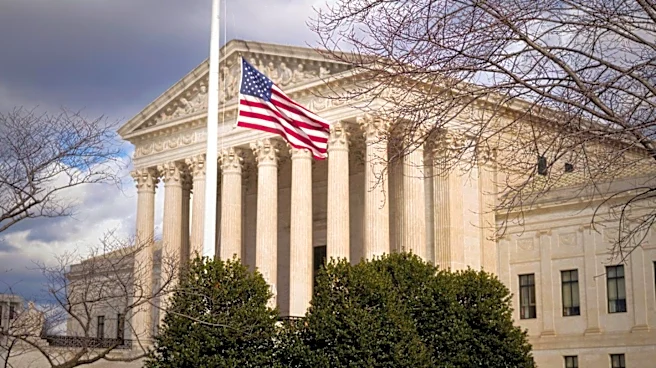
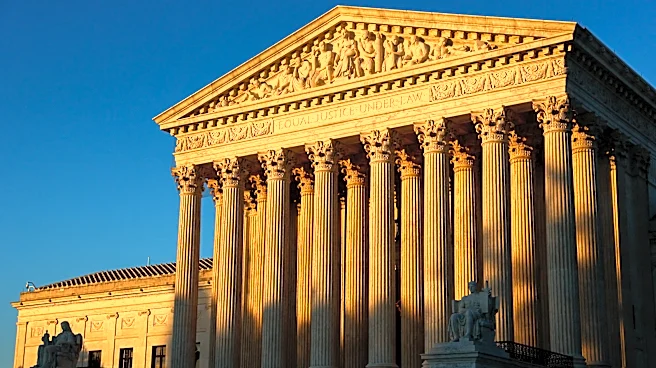
Title IX's application to gender identity has been tested in various court cases. One notable case is G. G. v. Gloucester County School Board, where a transgender student sued for the right to use the bathroom corresponding to his gender identity. The Fourth Circuit Court ruled in favor of the student, citing Title IX protections. However, the Supreme Court vacated the injunction following the Trump administration's policy reversal.
Another significant case is Whitaker v. Kenosha Unified School District, where the Seventh Circuit Court ruled that denying a transgender student access to the bathroom consistent with their gender identity violated Title IX. These cases highlight the ongoing legal battles and differing interpretations of Title IX's scope.
The Biden Administration's Approach
Upon taking office, the Biden administration reinstated and expanded protections for LGBTQ+ individuals under Title IX. The Department of Education issued a new rule to enforce Title IX, including discrimination based on sexual orientation and gender identity. However, this rule faced legal challenges, with a federal judge striking down the expanded protections in 2025.
The Biden administration's efforts to broaden Title IX's scope reflect a commitment to protecting transgender students' rights. Despite legal setbacks, the administration continues to advocate for inclusive policies that align with Title IX's original intent to prevent discrimination.
Title IX's journey through legal challenges and varying interpretations underscores the complexity of addressing gender identity within the framework of civil rights law. As the legal landscape continues to evolve, Title IX remains a crucial tool in the fight for equality and protection against discrimination.