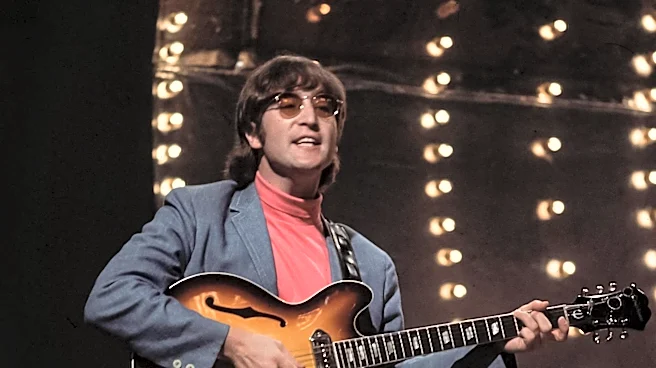





The Beatles' 1966 US tour, while fraught with controversy and ultimately marking the end of their live performances, also served as a fascinating barometer for the shifting landscape of American youth culture. The tour unfolded against a backdrop of intense social change, and the band's experiences—from the backlash against John Lennon's religious remarks to their increasingly vocal opposition to the Vietnam War—mirrored and, in some ways, propelled
the emerging counterculture. The composition of their audiences began to change, and the band's willingness to address pressing political issues further solidified their standing as icons for a generation seeking expression and challenging established norms.
Evolving Audiences and Diminished Screaming
Newspaper coverage of the 1966 tour, typical of the era, often focused on audience size, the volume of fan screams, and box office figures, rather than musical reviews. However, a notable observation throughout the tour was the perceived reduction in the high-pitched screaming that had become synonymous with Beatlemania. While wild crowd behavior still characterized most shows, the intensity of the vocal frenzy seemed to have lessened. Both John Lennon and George Harrison commented on this phenomenon, noting that their American audiences now included a higher proportion of young males than before.
Harrison welcomed this development, attributing the reduced screaming and the presence of more male fans to the band's musical growth, particularly on their albums *Rubber Soul* and *Revolver*. This shift in audience demographics suggested that the Beatles were beginning to appeal to a broader, perhaps more musically discerning, segment of the youth population. Their ability to attract both sexes in this evolving way was significant, helping to codify a new youth movement in the US that would soon find further expression in student demonstrations, such as those at Berkeley, from late 1966 onwards. The band's continued popularity, even with some empty seats at venues, demonstrated their enduring appeal and their capacity to draw massive crowds, a feat few other acts could match.
Political Awakening and Opposition to the Vietnam War
The 1966 tour was not only defined by the "more popular than Jesus" controversy but also by the Beatles' increasing willingness to voice their opinions on political matters, particularly the Vietnam War. Lennon and Harrison had previously warned their manager, Brian Epstein, that they were no longer prepared to remain silent on such pressing issues. The religious controversy, far from silencing them, seemed to reinforce their determination to speak out, further aligning them with the burgeoning counterculture.
At the time, American public opinion heavily favored involvement in the Vietnam War, with 90 percent of Americans supporting the conflict. Despite this, the Beatles began to openly express their opposition. Having first voiced their stance during their stay in Tokyo, Lennon caused further controversy during a press conference in Toronto on August 17 by stating his support for American draft-dodgers who were escaping to Canada. When the band arrived in New York on August 22, Lennon again criticized US participation in the war, with Harrison denouncing war in general. Lennon explicitly stated that all four Beatles felt US involvement in Vietnam was "wrong." This outspokenness even led to an argument among media members during a pre-show press conference at Shea Stadium the following day, highlighting the divisive nature of the war and the band's influential position in public discourse. Their willingness to take a stand on such a contentious issue marked a significant evolution for the band and resonated deeply with a segment of American youth increasingly questioning authority and traditional values.