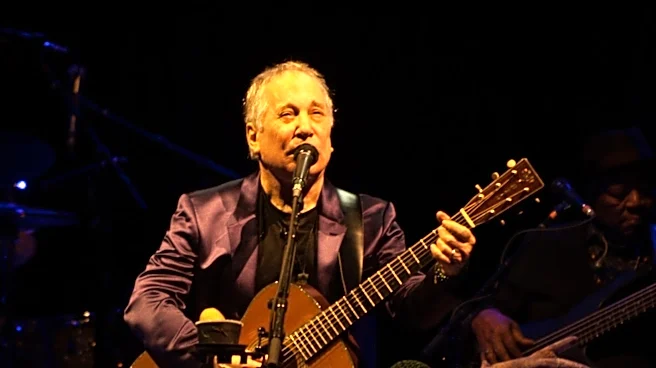








Paul Simon's 1986 album *Graceland* stands as a monumental achievement in music history, recognized not only for its innovative sound but also for its significant critical acclaim and numerous awards. Released at a time when Simon's career was reportedly facing challenges, the album's success revitalized his artistic standing and left an indelible mark on the global music landscape. Its blend of pop, rock, and various African musical styles, coupled
with its compelling lyrical narratives, garnered widespread praise and cemented its status as a classic.
Critical Acclaim and Major Awards
Upon its release, *Graceland* was met with enthusiastic critical reception. The album's unique fusion of genres, particularly its incorporation of South African mbaqanga and isicathamiya, was lauded for its originality and musical depth. This critical success translated into significant industry recognition, with *Graceland* earning numerous prestigious awards. Among its most notable accolades, the album received the Grammy Award for Album of the Year in 1987, a testament to its artistic excellence and impact.
The title track, "Graceland," also achieved individual recognition, winning the Grammy Award for Record of the Year in 1988. This was particularly noteworthy as it was one of the lowest-charting songs on world music charts to receive this honor at the time. Beyond the Grammys, the album's enduring quality was further acknowledged in 2006 when it was inducted into the National Recording Registry of the Library of Congress, an honor reserved for recordings that are culturally, historically, or aesthetically significant. In 2012, *Graceland* received the Grammy Hall of Fame Award, solidifying its place in the pantheon of timeless musical works.
Lasting Influence and Cultural Significance
*Graceland*'s influence extended beyond its immediate commercial and critical success. It is widely considered one of the albums that helped launch modern world music, introducing a broader Western audience to the rich sounds of African music. The collaborations with artists like Ladysmith Black Mambazo and Ray Phiri brought these musicians to international prominence, fostering a greater appreciation for diverse musical traditions.
The album's lyrical content, which explored themes ranging from personal introspection to social commentary, also contributed to its lasting appeal. Songs like "The Boy in the Bubble" skillfully blended discussions of serious global issues with wit and optimism, reflecting Simon's nuanced worldview. The personal nature of the title track, with its allusions to Simon's marriage and spiritual journey, resonated deeply with listeners. The album's innovative production, overseen by Simon and engineered by Roy Halee, set new standards for cross-cultural musical projects. *Graceland* continues to be celebrated for its artistic daring, its role in bridging musical divides, and its enduring power to captivate and inspire audiences worldwide.