
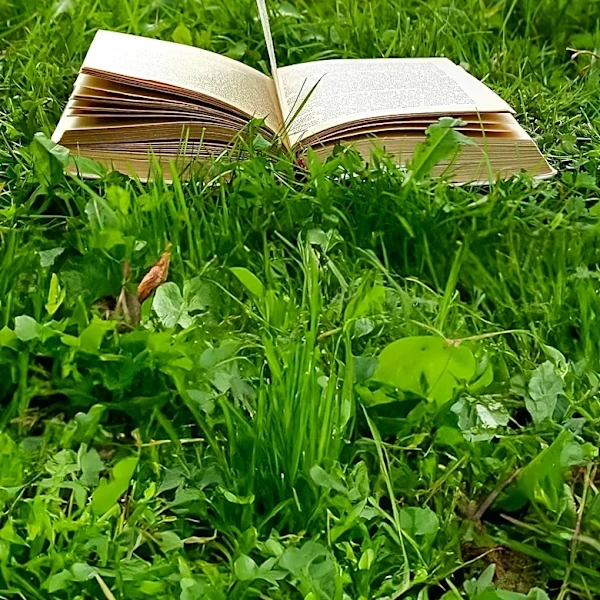







Walt Whitman's "Leaves of Grass" is a cornerstone of American poetry, first published on July 4, 1855. This initial publication marked the beginning of a lifelong journey for Whitman, who not only wrote the poems but also took on the task of self-publishing. The first edition of "Leaves of Grass" contained twelve poems and was printed in Brooklyn, New York. Despite its modest beginnings, this collection would go on to become one of the most celebrated
works in American literature.
The Self-Publishing Journey
In 1855, Walt Whitman made the bold decision to self-publish his collection of poetry, "Leaves of Grass." At the time, self-publishing was not as common as it is today, and Whitman's choice was both daring and necessary. He financed the printing of about 800 copies himself, a significant investment for a poet who was not yet widely recognized. The book was printed at a Fulton Street printing shop in Brooklyn, a location that would become part of the lore surrounding the work.
The first edition of "Leaves of Grass" was a modest 95 pages long, containing twelve poems. Whitman's decision to self-publish allowed him complete creative control over the content and presentation of his work. This autonomy was crucial for Whitman, as his poetry broke away from the traditional themes of the time, focusing instead on the human body, nature, and the sensory experiences of life.
Initial Reception and Challenges
Despite Whitman's efforts and the significance of the work, the initial reception of "Leaves of Grass" was lukewarm. The book did not sell well, and Whitman faced the challenge of gaining recognition in a literary world that was not yet ready for his innovative style and themes. The poetry collection was a departure from the norm, as it celebrated the material world and the human experience at a time when poetry often focused on religious themes and spiritual life.
Whitman's work was ahead of its time, and the initial lack of commercial success did not deter him. Instead, it fueled his determination to continue revising and expanding "Leaves of Grass" throughout his life. This persistence eventually paid off, as the collection gained recognition and acclaim in later years.
Legacy of the First Edition
The first edition of "Leaves of Grass" laid the foundation for what would become a lifelong project for Whitman. He continued to add new material and revise the collection until his death in 1892. Some of the most famous poems from the collection, such as "Song of Myself" and "I Sing the Body Electric," were part of this initial publication.
Whitman's decision to self-publish "Leaves of Grass" was a pivotal moment in his career and in the history of American literature. It demonstrated his commitment to his artistic vision and set the stage for the collection's enduring legacy. Today, "Leaves of Grass" is celebrated not only for its content but also for the boldness and determination of its creator.