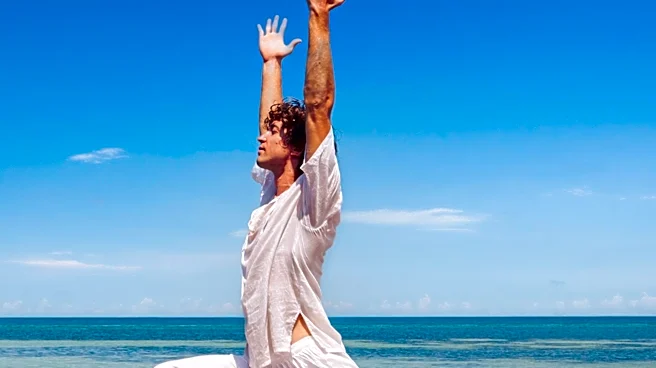






Virabhadrasana, widely recognized as Warrior Pose in contemporary yoga practices, is a dynamic standing lunge that has become a staple in many yoga sequences. This posture is steeped in rich mythological tradition, commemorating the heroic deeds of Virabhadra, a formidable warrior from Hindu lore. Despite its seemingly ancient connection, the Warrior Pose, as it is known today, is a relatively recent addition to the hatha yoga tradition, with its documented
appearance not occurring until the 20th century. This suggests a fascinating evolution of yoga postures, where modern interpretations and influences have shaped practices that are now widely considered foundational.
Mythological Origins and Modern Interpretation
The name Virabhadrasana directly links the pose to the mythical warrior Virabhadra. This warrior is a significant figure in Hindu mythology, known for his strength and valor. The pose itself is designed to evoke a sense of power, stability, and readiness, mirroring the qualities attributed to its namesake. Practitioners often feel a connection to this warrior spirit as they hold the posture, embodying strength and focus.
However, the specific physical form of Virabhadrasana, particularly the standing lunge, does not appear in historical hatha yoga texts until the 20th century. This gap in historical records indicates that while the mythological inspiration may be ancient, the physical manifestation of the pose in yoga practice is a more recent development. This highlights how yoga, as a living tradition, has continuously evolved, incorporating new forms and interpretations over time.
The 20th-Century Emergence of Warrior Pose
The absence of Virabhadrasana in earlier hatha yoga texts points to its emergence as a distinct posture in the 20th century. This period was a time of significant transformation for yoga, as it began to gain popularity beyond its traditional Indian contexts and adapt to new audiences and physical culture movements. The development of new asanas, or postures, during this era was influenced by various factors, including the integration of physical exercises from other traditions.
One notable influence on the development of modern yoga postures, including those resembling Virabhadrasana, comes from the gymnastics of Niels Bukh. Bukh's system of gymnastics, which emphasized dynamic movements and strong physical forms, may have contributed to the aesthetic and structural design of certain yoga poses. This cross-pollination of ideas between Indian physical culture and European gymnastics played a crucial role in shaping the physical yoga practices that became popular in the 20th century.
European Gymnastics and Indian Physical Culture
The connection between Virabhadrasana and European gymnastics suggests a broader trend in the evolution of modern yoga. During the late 19th and early 20th centuries, there was a significant exchange of ideas in physical culture between India and Europe. European gymnastics, with its emphasis on structured exercises, strength, and flexibility, found its way into Indian physical training systems. Conversely, Indian practices also influenced Western physical culture.
This period saw Indian physical culture traditions, which included various forms of exercise and body conditioning, being influenced by European gymnastics. It is plausible that certain postures or movements from these gymnastic traditions were adopted and integrated into yoga practices, eventually evolving into what we now recognize as modern yoga asanas like Virabhadrasana. This synthesis of different physical disciplines underscores the dynamic and adaptive nature of yoga, allowing it to incorporate diverse influences while maintaining its core philosophical and spiritual underpinnings.