



In the early 1960s, two distinct youth subcultures emerged in Britain: Mods and Rockers. These groups were known for their contrasting styles and musical tastes, leading to a series of well-publicized clashes that captured the attention of the nation. The conflicts between Mods and Rockers not only highlighted the cultural divide but also sparked a moral panic about British youth.
The Rise of Mods and Rockers
Mods, short for modernists, were young people who embraced fashion and
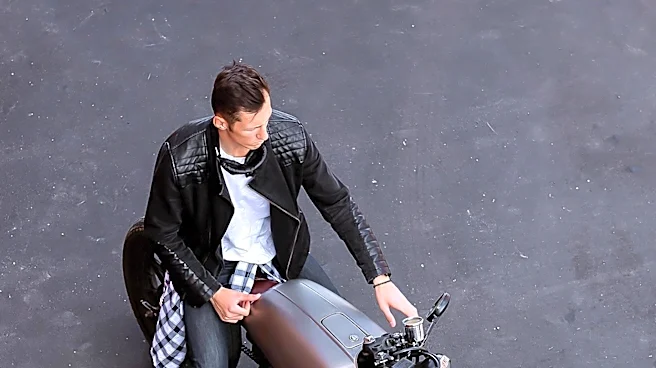
music as central elements of their identity. They favored tailor-made suits, scooters, and music genres like modern jazz, soul, and rhythm and blues. In contrast, Rockers were associated with motorcycles, leather jackets, and rockabilly music. The Rockers viewed Mods as effeminate due to their focus on fashion, while Mods saw Rockers as outdated and unrefined.
The tension between these two groups was fueled by their differing lifestyles and values. Mods were seen as stylish and sophisticated, while Rockers were perceived as rebellious and rough. This cultural clash was emblematic of the broader generational divide in Britain during the 1960s, as young people sought to define their identities in opposition to traditional norms.
The Clashes and Moral Panic
The conflicts between Mods and Rockers reached a peak in 1964, with violent clashes occurring in seaside towns like Brighton and Margate. These events were widely covered by the media, which portrayed the youth as unruly troublemakers. The sensationalized coverage led to a moral panic, with newspapers labeling Mods and Rockers as 'vermin' and 'louts.'
The public's reaction to these clashes was intense, with calls for increased measures to control hooliganism. The media's portrayal of the events contributed to the perception of Mods and Rockers as a threat to social order. This moral panic highlighted the generational tensions and the fear of youth rebellion that characterized the era.
Legacy of the Mod and Rocker Conflicts
Despite the initial clashes, the conflicts between Mods and Rockers eventually subsided, as both groups became more integrated into mainstream youth culture. The Mod subculture, in particular, continued to influence fashion and music, with its styles becoming emblematic of the 'Swinging London' era.
The legacy of the Mod and Rocker conflicts is evident in the way they shaped public perceptions of youth culture. These clashes highlighted the power of subcultures to challenge societal norms and provoke change. The moral panic surrounding Mods and Rockers serves as a reminder of the cultural impact of youth movements and their ability to redefine social boundaries.
Today, the Mod and Rocker subcultures are remembered as symbols of youthful rebellion and cultural innovation. Their influence continues to be felt in fashion, music, and the ongoing evolution of subcultures.