




The O.J. Simpson trial, often dubbed the "trial of the century," was not only a legal battle but also a media spectacle that captivated audiences worldwide. The case's high-profile nature, combined with the involvement of a celebrity defendant, led to unprecedented media coverage and public interest. This article explores the media frenzy that surrounded the trial and its impact on public perception.
The Role of Television and Live Coverage
The O.J. Simpson trial was one of the first major
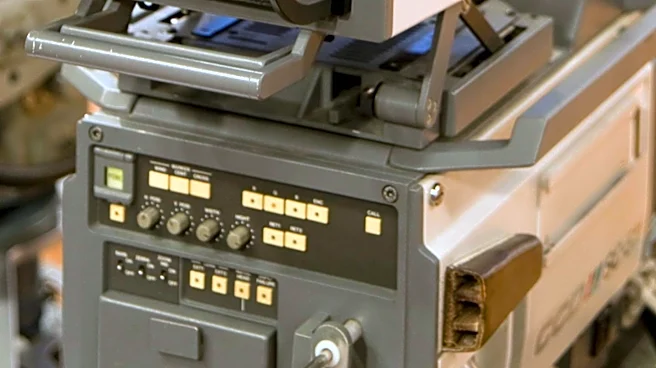
legal proceedings to be extensively covered on television. The case's dramatic elements, including the infamous low-speed Bronco chase, were broadcast live, drawing an estimated 95 million viewers. This level of coverage was unprecedented at the time and set a new standard for media involvement in high-profile cases.
Television networks dedicated significant airtime to the trial, with daily updates and analysis becoming a staple of news programming. The trial's proceedings were broadcast live, allowing the public to follow the case in real-time. This constant coverage turned the trial into a form of entertainment, with viewers tuning in to witness the courtroom drama unfold.
Public Fascination and Celebrity Culture
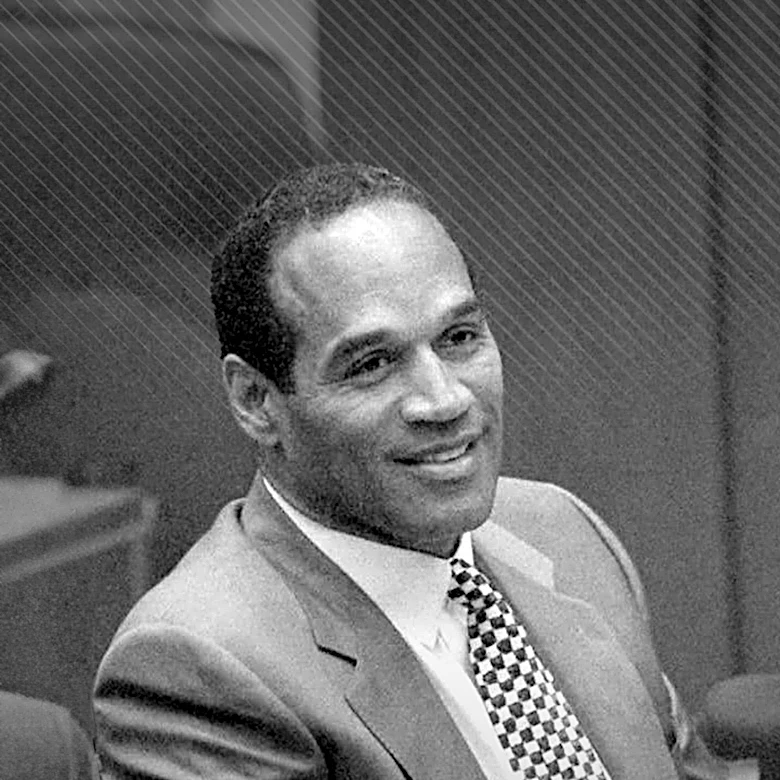
The trial's extensive media coverage was fueled by the public's fascination with celebrity culture. O.J. Simpson, a former NFL star and media personality, was a household name, and his involvement in such a serious crime shocked many. The case blurred the lines between news and entertainment, as the public became engrossed in the personal lives of those involved.
The media's focus on the trial also highlighted issues of race and justice in America. The case became a cultural phenomenon, sparking debates and discussions across the country. The public's interest in the trial was not just about the legal proceedings but also about the broader social implications and the personalities involved.
Lasting Impact on Media and Society
The O.J. Simpson trial had a lasting impact on both the media landscape and society as a whole. It demonstrated the power of television to shape public opinion and highlighted the media's role in high-profile legal cases. The trial's coverage set a precedent for future cases, with the media continuing to play a significant role in shaping public perception.
The trial also raised questions about the influence of celebrity and race in the justice system, issues that continue to resonate today. The media frenzy surrounding the O.J. Simpson trial remains a defining moment in American history, reflecting the complex relationship between the legal system, the media, and the public.