






The kettlebell swing is a dynamic exercise that effectively utilizes the hip hinge movement to build strength and power in the posterior chain. This exercise is a staple in many fitness routines due to its ability to engage multiple muscle groups and improve overall athletic performance. Understanding the mechanics of the kettlebell swing can help you maximize its benefits and incorporate it into your workout regimen.
The Mechanics of the Kettlebell Swing
The kettlebell swing is performed
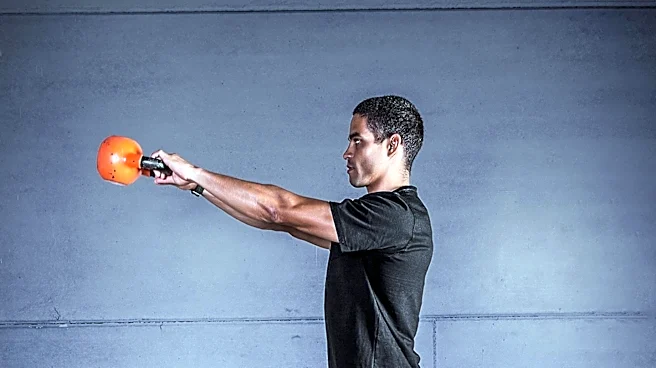
by swinging a kettlebell from just below the groin to somewhere between the upper abdomen and shoulders. The key to executing this exercise correctly is the hip hinge movement, which involves thrusting the hips forward while keeping the spine neutral and the knees slightly bent. This movement generates the power needed to propel the kettlebell upward.
During the swing, the arms remain straight or slightly bent, depending on the trajectory of the kettlebell. The force generated by the hip hinge is what drives the kettlebell forward, rather than lifting it with the arms. This ensures that the posterior chain muscles, including the glutes, hamstrings, and lower back, are effectively engaged throughout the exercise.
Benefits of the Kettlebell Swing
The kettlebell swing offers numerous benefits, making it a valuable addition to any fitness routine. One of the primary advantages is its ability to build strength and endurance in the posterior chain. By engaging the glutes, hamstrings, and lower back, the kettlebell swing helps improve posture and stability, reducing the risk of injury.
Additionally, the kettlebell swing is a highly effective cardiovascular exercise. The dynamic nature of the movement elevates the heart rate, providing a full-body workout that enhances cardiovascular endurance. This makes the kettlebell swing an excellent choice for those looking to improve their fitness levels and burn calories efficiently.
Incorporating the Kettlebell Swing into Your Routine
To incorporate the kettlebell swing into your workout routine, start with a light kettlebell to practice the movement and ensure proper form. Focus on maintaining a neutral spine and engaging the core throughout the exercise. As you become more comfortable with the movement, gradually increase the weight of the kettlebell to challenge your muscles further.
The kettlebell swing can be performed as part of a full-body workout or as a standalone exercise. It pairs well with other hip hinge exercises, such as deadlifts and Romanian deadlifts, to create a comprehensive routine that targets the posterior chain. By mastering the kettlebell swing, you can enhance your strength, power, and overall fitness.