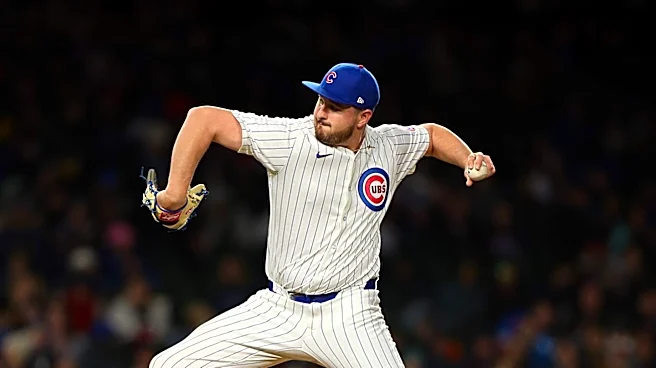




The 1906 Chicago Cubs are often remembered as one of the greatest Major League Baseball teams to not win the World Series. After a regular season of unprecedented dominance, where they set a record with 116 wins and a .763 winning percentage, the Cubs faced their crosstown rivals, the Chicago White Sox, in the World Series. What unfolded was a major upset, as the White Sox, famously known as the "Hitless Wonders," defeated the heavily favored Cubs in six
games. This series remains a significant moment in baseball history, illustrating how even the most dominant regular-season teams can be vulnerable in championship play.
A Clash of Styles: Dominance vs. Underdog
The 1906 World Series presented a stark contrast between two Chicago teams. The Cubs, managed by Frank Chance, had steamrolled the National League, leading in both runs scored and fewest runs allowed by large margins. Their roster boasted four future Hall of Famers: Chance himself, Johnny Evers, Joe Tinker, and Mordecai Brown, whose 1.04 ERA set a major league record. They were, by all accounts, a juggernaut.
On the other side were the American League champion Chicago White Sox. They earned the moniker "Hitless Wonders" because they finished the regular season with the worst team batting average in the American League, a mere .230. Despite their offensive struggles, the White Sox won 93 games, largely on the strength of their pitching staff and a historic 19-game winning streak in August. The stage was set for a classic David versus Goliath encounter, with the Cubs expected to easily dispatch their less-heralded neighbors.
The Series Unfolds: White Sox Triumph
The World Series began with the home teams alternating, with the National League Cubs hosting Game 1. The series quickly became a battle of wills, with the teams splitting the first four games. The White Sox, true to their "Hitless Wonders" nickname, hit only .198 as a team throughout the series, but remarkably, this was still better than the Cubs' .196 average. This statistic underscores the unexpected nature of the White Sox's victory; they managed to out-hit the Cubs when it mattered most, particularly in the crucial later games.
One notable performance came from White Sox pitcher Ed Walsh in Game 3. After allowing two first-inning hits, Walsh didn't give up another hit and struck out 12 Cubs batters, breaking the previous record of 11 set by Bill Dinneen in 1903. This dominant pitching effort helped the White Sox take a 2–1 lead in the series. The "Hitless Wonders" then exploded for 26 hits in the last two games, securing their victory. The White Sox won their first championship in franchise history, marking the first major professional sports championship ever won by a Chicago-based team.
A Historic Crosstown Rivalry
The 1906 World Series was significant for several reasons beyond the upset. It was the first World Series to be played between two teams from the same metropolitan area or state. This unique crosstown matchup captivated national interest, with backers from as far as Denver, Colorado, and Spokane, Washington, offering substantial guarantees to host a potential seventh game. However, the series concluded in Chicago in six games.
For the Cubs, the loss was a bitter pill to swallow, especially given their historic regular season. They are still often considered the greatest MLB team to not win the World Series. For the White Sox, it was a triumphant moment, solidifying their place in baseball lore as the "Hitless Wonders" who defied expectations. This series remains a vivid example of the unpredictable nature of baseball and the magic of the World Series, where regular-season records can sometimes mean little when two determined teams face off.