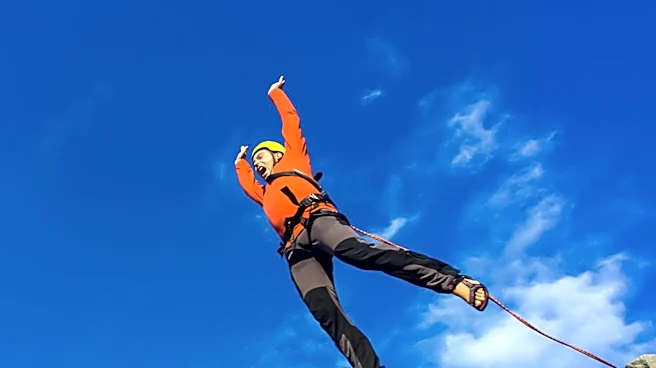








Rope jumping is an extreme sport that combines the thrill of freefall with the technical challenges of climbing. Participants jump off high cliffs while attached to a climbing rope, experiencing a unique pendulum swing at the end of their fall. While the sport offers an adrenaline rush like no other, it also comes with significant risks. This article explores the dangers of rope jumping and the safety measures necessary to mitigate these risks.
Understanding the Risks of Rope Jumping
Rope
jumping is inherently dangerous due to the heights involved and the technical setup required. Unlike bungee jumping, which uses elastic cords to slow the descent, rope jumping employs climbing ropes with minimal stretch. This allows for a longer freefall, but it also means that the arresting force is more abrupt, increasing the potential for injury.
The sport's founder, Dan Osman, tragically lost his life due to an anchor system failure, highlighting the critical importance of proper setup and equipment. Other fatalities have occurred in popular jumping locations, such as Moab, Utah, where jumpers have attempted to swing through large arches. These incidents underscore the need for meticulous preparation and respect for the sport's inherent dangers.
Safety Measures in Rope Jumping
To safely participate in rope jumping, extensive technical knowledge and preparation are required. The setup involves a highline-anchor system, with the rope-jumper positioning the anchor to the side of the jump-off point. This creates a pendulum trajectory that helps absorb the energy of the arrest, reducing the risk of injury.
Jumpers must ensure that all equipment is in excellent condition and that the anchor system is securely set up. Regular inspections and maintenance of ropes and anchors are crucial to prevent failures. Additionally, jumpers should be well-versed in climbing techniques and emergency procedures to handle any unforeseen situations.
The Thrill and Responsibility of Rope Jumping
While rope jumping offers an unparalleled thrill, it also demands a high level of responsibility from participants. The sport's unique combination of freefall and pendulum swing attracts thrill-seekers, but it is essential to approach it with caution and respect for the risks involved.
Participants must prioritize safety and be willing to invest the time and effort required to master the technical aspects of the sport. By doing so, they can enjoy the exhilarating experience of rope jumping while minimizing the potential for accidents. Rope jumping remains a testament to the human spirit's desire for adventure, tempered by the need for careful preparation and respect for nature's forces.