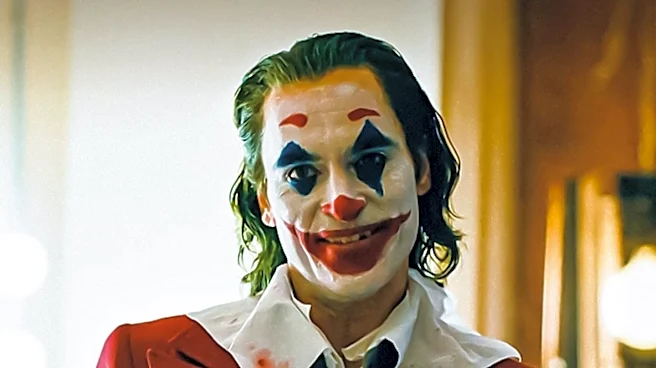







The 2019 film *Joker*, directed by Todd Phillips, stands out in the Batman film franchise not only for its R rating but also for its distinctive production and financial model. With a final budget significantly lower than typical comic book-based films, *Joker* navigated a unique path from its initial financing to its theatrical release, garnering both critical attention and a specific audience certification. This exploration delves into the economic
decisions and production choices that shaped the film's journey to the big screen.
Budgeting and Financing the Unconventional
*Joker*'s final budget was estimated to be between $55 million and $70 million. This figure was considered "a fraction" of the cost typically associated with comic book-based films, according to *The Hollywood Reporter*. To put this into perspective, *Suicide Squad* (2016), another villain-centered DC film, had a budget of $175 million. This stark contrast highlights a deliberate choice to produce *Joker* on a more modest scale, potentially allowing for greater creative freedom or a different approach to storytelling.
The financing structure for *Joker* also involved multiple contributors. The Toronto-based financing company Creative Wealth Media covered $25 million of the budget. Additionally, Village Roadshow Pictures and Bron Studios each contributed 25% of the film's overall cost. This collaborative financing model demonstrates a shared investment in a project that diverged from the established norms of the superhero genre, both in its narrative and its financial backing.
The R-Rating and Marketing Strategy
One of the most notable aspects of *Joker*'s release was its R rating from the Motion Picture Association of America. This made it the first live-action theatrical film in the Batman film franchise to receive such a classification. The official reasons cited for the R rating included "strong bloody violence, disturbing behavior, language and brief sexual images." In the United Kingdom, the British Board of Film Classification (BBFC) issued a 15 certificate for the film, indicating its mature content.
The marketing campaign for *Joker* was also substantial, with *Deadline Hollywood* estimating that Warner Bros. spent $120 million on promotion and advertisements. This significant investment in marketing, despite the film's relatively lower production budget, suggests a strategic effort to reach a broad audience while also preparing them for the film's darker themes and R-rated content. Interestingly, after its theatrical release, Warner Bros. reportedly utilized negative critical reviews of the film as part of its promotional efforts, a somewhat unconventional approach that may have further fueled public interest and discussion.
Critical Reception and Accolades
*Joker* premiered at the 76th Venice International Film Festival, where it received critical acclaim. Joaquin Phoenix's performance, in particular, garnered rave reviews. The film's success extended to various award nominations and wins, underscoring its impact within the industry. It was nominated for Best Theatrical Motion Picture at the Producers Guild of America Awards, recognizing its overall quality as a film.
Further solidifying its critical standing, *Joker* won Best English Language Film at the Robert Awards. These accolades, alongside the strong critical reception for Phoenix's portrayal, highlight the film's artistic achievements and its ability to resonate with both critics and award bodies, despite its departure from traditional comic book movie conventions and its mature content rating.