







Canola oil, a widely recognized vegetable oil, has a fascinating history rooted in the cultivation of rapeseed. While rapeseed oil is one of the oldest known vegetable oils, its initial forms contained high levels of erucic acid and glucosinolates, which limited its use. The transformation of this ancient crop into the healthful oil we know today is a testament to agricultural innovation, particularly in Canada. This journey involved careful breeding
and scientific advancements that addressed the undesirable components of traditional rapeseed, paving the way for canola's global prominence.
The Origins of Rapeseed Oil
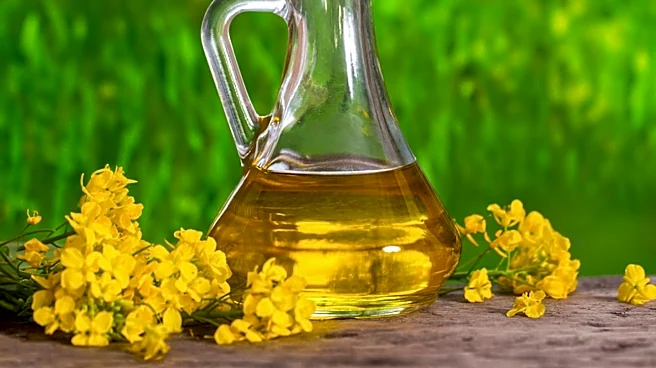
Rapeseed oil has been utilized for millennia, with cultivation dating back as early as 4000 B.C.E. in India. From there, its use spread to China and Japan approximately 2000 years ago. Historically, rapeseed oil was used in limited quantities due to its high levels of erucic acid, which was known to be damaging to the cardiac muscle of animals. In the 1970s, rapeseed oil could contain up to 54% erucic acid. Additionally, glucosinolates in the seed made it less nutritious for animal feed. These factors meant that despite its long history, traditional rapeseed oil was not suitable for widespread human consumption or as a primary animal feed component.Rapeseed itself is a yellow-flowered member of the Brassicaceae family, also known as rape and oilseed rape. The term "rapeseed" applies to oilseeds from the species Brassica napus and Brassica rapa. The plant is cultivated primarily for its oil-rich seed. About 44% of a seed is oil, with the remainder forming canola meal used for animal feed. Approximately 23 kg (51 lb) of canola seed yields 10 L (2.64 US gal) of canola oil, which has an average density of 0.92 g/ml (7.7 lb/US gal; 9.2 lb/imp gal).
The Birth of Canola: A Canadian Innovation
The significant breakthrough that led to canola oil occurred in the early 1970s at the University of Manitoba. Canadian agricultural scientists bred new rapeseed cultivars of Brassica napus and Brassica rapa that had significantly lower levels of erucic acid and glucosinolates. This breeding work was supported by the National Research Council of Canada laboratories in Saskatoon, utilizing gas liquid chromatography to analyze the oil's composition. These new cultivars produced an oil with a nutritional profile distinct from earlier rapeseed oils.The term "canola" itself is a portmanteau, combining "can" from Canada and "ola" referring to "oil." It was originally a trademark name of the Rapeseed Association of Canada. In 1978, the seed, oil, and protein meal derived from these low-erucic acid and low-glucosinolate rapeseed cultivars were officially registered as a trademark by the Canola Council of Canada. Today, canola is a generic term for edible varieties of rapeseed oil in North America and Australasia. This change in name also served to distinguish it from natural rapeseed oil, which still contains much higher erucic acid content.
Global Recognition and Diverse Applications
Modern food-grade rapeseed/canola varieties are specifically bred to contain very low erucic acid levels, often 2% or less of total fatty acids. Government regulations in Canada, the United States, the European Union, and many other countries limit the erucic acid content in food-grade canola oil to a maximum of 2% by weight. This strict regulation has allowed canola oil to be generally recognized as safe by the United States Food and Drug Administration, solidifying its reputation as a healthful oil.Canola oil is now a key ingredient in many foods and its healthful reputation has driven high demand globally. It stands as the third-most widely consumed vegetable oil worldwide, following soybean oil and palm oil. Beyond its culinary uses, canola oil also has numerous non-food applications. Like soybean oil, it is often used interchangeably with non-renewable petroleum-based oils in various products. These industrial uses include lubricants, biodiesel, candles, lipsticks, and even newspaper inks, showcasing its versatility and economic importance.