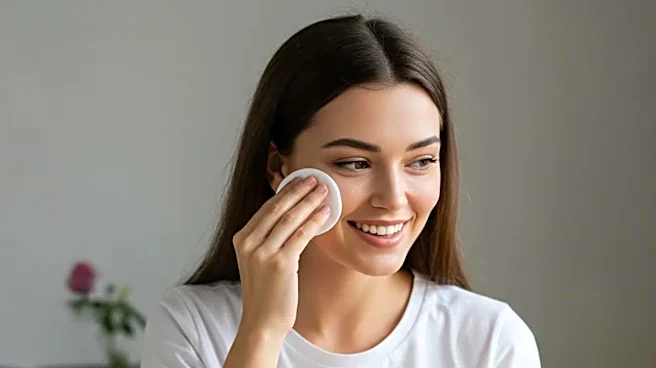



Physical exfoliation is a popular technique in cosmetology, aimed at enhancing skin health and appearance. This process involves the removal of dead skin cells through mechanical methods, such as scrubbing, which can lead to smoother and more radiant skin. While exfoliation can be performed using chemical methods, physical exfoliation remains a staple in beauty salons and spas due to its immediate and visible results.
Benefits of Physical Exfoliation
Physical exfoliation offers several
benefits for the skin. By removing the outer layer of dead skin cells, it helps to unclog pores, reducing the likelihood of acne and other skin blemishes. This process also promotes the generation of new skin cells, which can improve the overall texture and tone of the skin. Regular exfoliation can lead to a brighter complexion and a more youthful appearance.
Another advantage of physical exfoliation is its ability to enhance the effectiveness of other skincare products. By clearing away dead skin cells, exfoliation allows creams, lotions, and serums to penetrate deeper into the skin, maximizing their benefits. This can be particularly beneficial for individuals with specific skin concerns, such as dryness or uneven pigmentation.
Techniques and Tools
There are various techniques and tools used in physical exfoliation. Common methods include the use of exfoliating scrubs, brushes, and sponges. These tools are designed to gently slough off dead skin cells without causing irritation or damage to the skin. The choice of tool often depends on the individual's skin type and sensitivity.
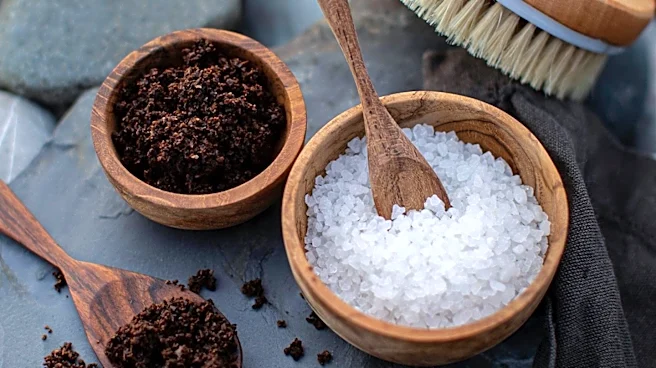
Exfoliating scrubs typically contain small granules that help to physically remove dead skin cells. These scrubs can be made from natural ingredients, such as sugar or salt, or synthetic materials. Brushes and sponges offer a more controlled exfoliation experience, allowing users to adjust the pressure and intensity according to their comfort level.
Considerations and Precautions
While physical exfoliation can be beneficial, it is important to approach it with caution. Over-exfoliation can lead to skin irritation, redness, and even damage. It is recommended to exfoliate no more than two to three times a week, depending on skin type and sensitivity. Individuals with sensitive skin should opt for gentler methods and avoid harsh scrubs.
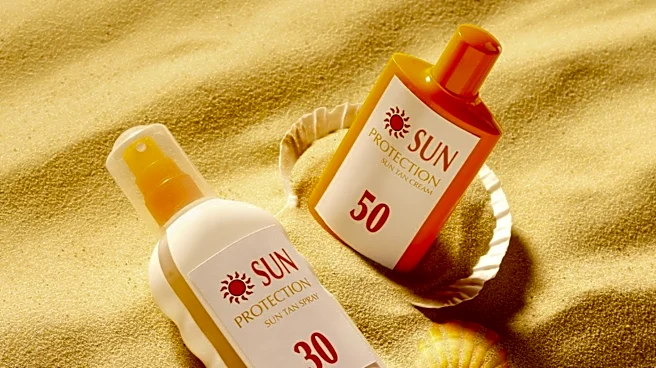
Additionally, it is crucial to follow up exfoliation with proper skincare. Moisturizing the skin after exfoliation helps to maintain hydration and protect the newly exposed skin cells. Sunscreen is also essential, as exfoliated skin can be more susceptible to sun damage.
In conclusion, physical exfoliation is a valuable technique in cosmetology, offering numerous benefits for skin health and appearance. By understanding the methods and precautions associated with exfoliation, individuals can effectively incorporate it into their skincare routine for optimal results.