




SEAT, a Spanish automobile manufacturer, has a rich history that reflects the broader economic and industrial changes in Spain. Founded in 1950, SEAT has grown from a national carmaker to a significant player in the global automotive industry, now part of the Volkswagen Group. This article explores SEAT's journey from its early days to its current status.
Early Beginnings and Fiat Partnership
SEAT was established on May 9, 1950, as Sociedad Española de Automóviles de Turismo, S.A. (S.E.A.T.),
with the goal of developing Spain's automotive industry. The company was a joint venture between the Spanish government, Spanish banks, and Fiat, with the government holding a majority stake. The partnership with Fiat was crucial, as it provided SEAT with the technical expertise and models needed to kickstart production.
The first SEAT model, the SEAT 1400, rolled off the production line in 1953. Initially, SEAT produced cars that were essentially rebadged Fiat models, which helped the company establish itself in the Spanish market. The SEAT 600, launched in 1957, became a symbol of the Spanish economic miracle, making car ownership accessible to many Spanish families for the first time.
Transition and Volkswagen Acquisition
The partnership with Fiat lasted until the early 1980s when SEAT sought greater independence. In 1982, SEAT ended its relationship with Fiat and began a new chapter with Volkswagen. This transition marked a significant turning point for SEAT, as it allowed the company to develop its own models and expand its market reach.
Volkswagen's acquisition of SEAT began in 1986, with the German automaker initially purchasing a 51% stake, which later increased to full ownership. Under Volkswagen's guidance, SEAT launched its first independently developed model, the SEAT Ibiza, in 1984. The Ibiza was a success and laid the foundation for SEAT's future growth.
Global Expansion and Modernization
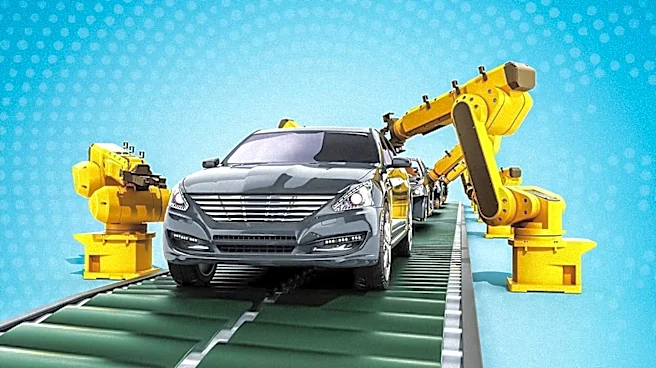
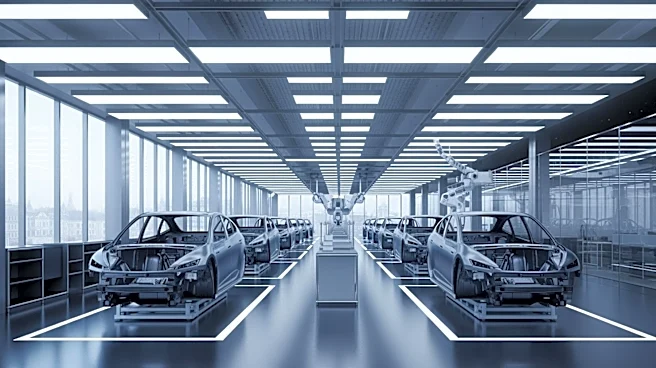
With Volkswagen's backing, SEAT expanded its production capabilities and modernized its facilities. The opening of the Martorell plant in 1993 was a significant milestone, showcasing SEAT's commitment to innovation and efficiency. This state-of-the-art facility became the center of SEAT's operations, producing models like the SEAT Leon and SEAT Toledo.
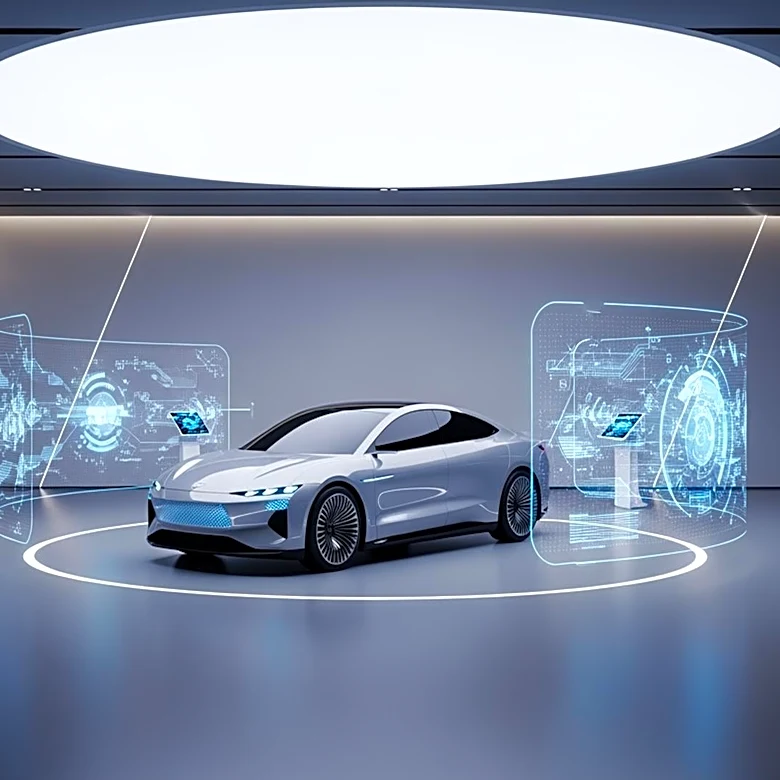
SEAT's integration into the Volkswagen Group allowed it to access new markets and technologies, leading to a broader global presence. Today, SEAT exports cars to over 75 countries, with a strong focus on Europe and Latin America. The brand has also embraced new trends in the automotive industry, such as electric vehicles and digitalization, ensuring its continued relevance in a rapidly changing market.
SEAT's journey from a national carmaker to a global player is a testament to its adaptability and resilience. As part of the Volkswagen Group, SEAT continues to innovate and expand, maintaining its position as a key player in the automotive industry.