





The journey to create Microsoft's first home video game console was fraught with internal debates, design challenges, and a surprisingly organic naming process. What began as a strategic response to Sony's PlayStation 2 evolved through various codenames and design iterations before solidifying into the product known today as the Xbox. This evolution involved not only technical decisions about hardware and software but also crucial choices regarding
its identity and physical form, reflecting the ambitious and sometimes contentious nature of its development within Microsoft. The console's name itself, initially met with skepticism by marketing, ultimately resonated most strongly with consumers, highlighting an unexpected path to its iconic branding.
The Quest for a Name: From Acronyms to Xbox
Before settling on "Xbox," Microsoft's new console project cycled through a variety of potential names, many of which were acronyms reflecting its corporate origins and entertainment aspirations. Among the considered titles were "Windows Entertainment Project" (WEP), "Microsoft Total Gaming" (MTG), "Microsoft Interactive Network Device" (MIND), and "Microsoft Interactive Center" (MIC). These names often emphasized Microsoft's existing brand identity or the interactive nature of the device, but none quite captured the essence of the burgeoning gaming machine.
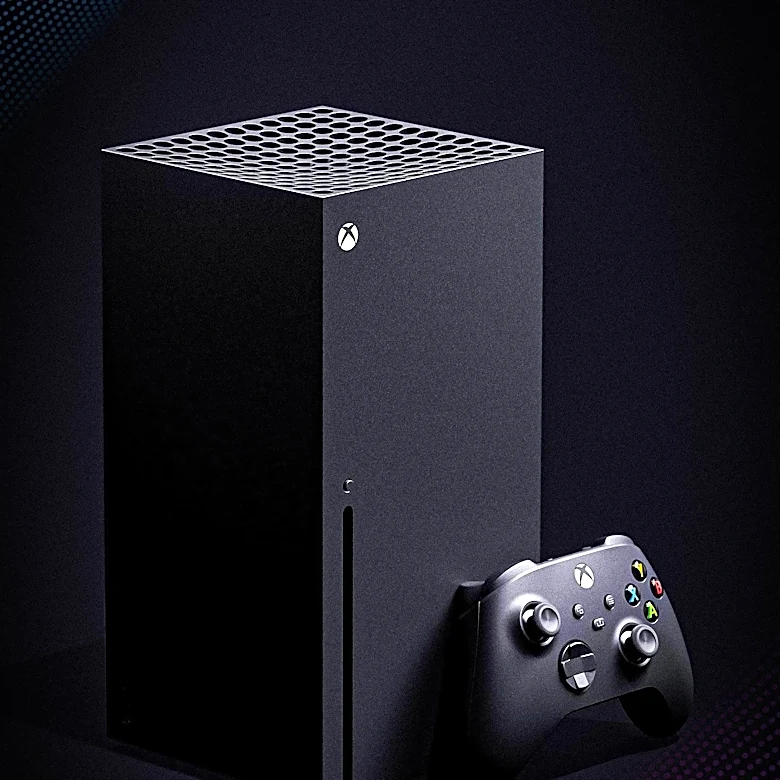
A more direct and ultimately influential name considered was "DirectX Box," a clear nod to the system's foundational reliance on Microsoft's DirectX graphics API. This name quickly became a favorite within the development team. In a moment of levity, engineer Ted Hase even jokingly proposed "XXX-Box" and "DirectXXX-Box," referencing the console's potential for more mature content compared to Nintendo or Sony's offerings. The name "DirectX Box" was soon shortened to "Xbox" through email conversations, and despite various spelling suggestions like xBox, XboX, and X-box, the simplified version gained traction among the developers.
Microsoft's marketing department, however, was not initially fond of "Xbox," suggesting alternatives such as "11-X" or "Eleven-X." To test consumer preferences, "Xbox" was included in focus group surveys, primarily to demonstrate its perceived unpopularity. Ironically, "Xbox" proved to be the most popular name among consumers, leading to its selection as the official product name. This unexpected outcome underscored the importance of consumer perception over internal marketing preferences in shaping the console's identity.
The Controller Conundrum: Size, Suppliers, and Redesign
The physical design of the Xbox controller presented significant challenges, particularly regarding its size. The development team had already manufactured circuit boards for the controller when they sought assistance from Mitsumi Electric, Sony's supplier, for a compact, folded, and stacked circuit board design similar to that used in Sony's DualShock 2 controller. Mitsumi Electric, however, declined to produce such a design for Microsoft.
This refusal forced Microsoft to proceed with a less compact design, resulting in a controller that was notably bulky, nearly three times the size of Sony's offering. This initial, larger controller was never released in Japan, where consumer preferences often lean towards more ergonomic and smaller designs. Instead, the console launched in Japan with a redesigned, smaller version known as the "Controller S," which successfully incorporated a more compact circuit board design. This regional adaptation highlighted the importance of market-specific design considerations and the iterative nature of hardware development.
Manufacturing Hurdles and the "Valentine's Day Massacre"
As the Xbox's design began to solidify, Microsoft partnered with Flextronics for both design revisions and mass production. A factory was established in Guadalajara, Mexico, for this purpose. Early production units faced significant quality control issues, with a high failure rate of approximately 25%. Flextronics undertook the task of repairing these faulty units, and subsequent hardware design iterations focused on eliminating these manufacturing defects to improve reliability.
Beyond the physical production, the project faced internal financial scrutiny. Rick Thompson and Robert J. Bach oversaw the Xbox's design, and the DirectX team initially built prototypes using Dell computer parts. The original plan was for Microsoft to design the console and then collaborate with a third-party manufacturer for mass production. However, early development indicated that Microsoft would need to handle production itself, transforming it into a far more costly endeavor. This increased financial commitment led to the project being internally dubbed "Coffin Box," reflecting fears that its potential failure could end careers at Microsoft.
These escalating costs and significant deviations from the initial proposal led to a critical meeting on February 14, 2000, informally known as the "Valentine's Day Massacre." During this meeting, Bill Gates reportedly expressed intense frustration over the new cost projections and the console's perceived marginalization of Windows. Despite these concerns, after being reminded of the project's strategic importance in competing against Sony, Gates and Steve Ballmer ultimately gave the project the green light, along with the necessary marketing budget. This pivotal moment secured the Xbox's future, allowing it to move forward from internal strife to eventual market launch.