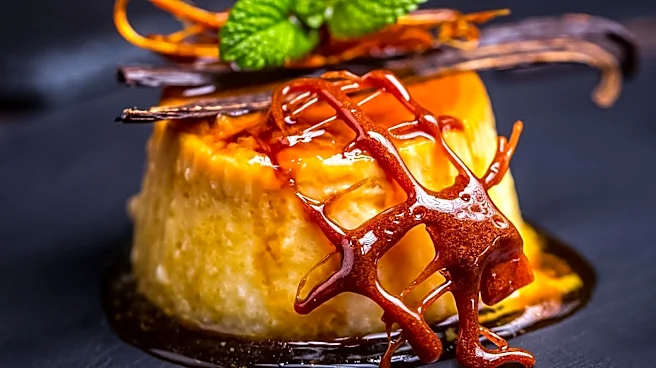








Crème brûlée stands as a testament to the elegance of simplicity in dessert making. This classic dish, known by various names such as burnt cream or Trinity cream, is fundamentally composed of a rich custard base crowned with a distinct layer of hardened, caramelized sugar. The interplay of textures and temperatures—a cool, creamy interior beneath a warm, brittle crust—is central to its appeal. While often associated with French cuisine, its preparation
and enjoyment have transcended geographical boundaries, making it a beloved item on dessert menus globally. Understanding the components and techniques involved reveals the artistry behind this seemingly straightforward yet sophisticated sweet.
Essential Ingredients and Flavor Profiles
At its heart, crème brûlée is a custard, a delicate mixture that typically includes egg yolks, sugar, and cream. The quality of these core ingredients significantly influences the final product. The richness of the cream contributes to the dessert's luxurious mouthfeel, while the egg yolks provide structure and a silky texture. Sugar, of course, is essential both for sweetening the custard and for creating the signature caramelized topping. While vanilla is the traditional flavoring in French cuisine, offering a warm and aromatic essence, the custard base is versatile and can accommodate a range of other flavorings. This adaptability allows for creative variations, from citrus zests to coffee or liqueurs, catering to diverse palates.
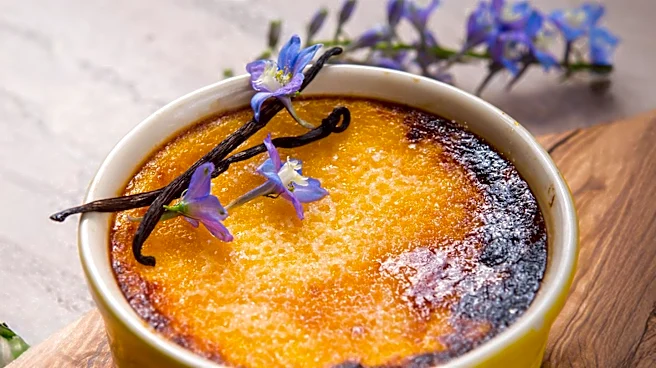
The caramelized sugar topping is perhaps the most iconic element of crème brûlée. This layer is typically created by sprinkling sugar, often brown sugar or granulated sugar, over the chilled custard and then heating it intensely until it melts and hardens into a brittle, amber crust. Historically, this was achieved using a hot iron or shovel, as described in early recipes. Today, kitchen torches or salamanders are commonly employed, providing precise control over the caramelization process. The resulting hard shell provides a delightful textural contrast to the smooth custard beneath, offering a satisfying crack when broken with a spoon.
The Perfect Serve: Temperature and Presentation
Serving crème brûlée involves a careful balance of temperatures to achieve its full sensory potential. The dessert is normally served slightly chilled. This means that while the heat from the caramelizing process warms the very top of the custard, the center remains cool. This temperature differential enhances the experience, providing a refreshing coolness that contrasts with the warmth of the freshly torched sugar. The slight chill also helps the custard maintain its firm yet creamy consistency, preventing it from becoming too soft or runny.
Presentation also plays a role in the enjoyment of crème brûlée. It is typically served in individual ramekins, which are shallow, oven-safe dishes. These ramekins not only facilitate even cooking and caramelization but also make for an elegant individual portion. While the dessert is often enjoyed unadorned, it can sometimes be garnished with fresh fruit. Berries, in particular, offer a tart counterpoint to the sweetness of the custard and caramel, adding both visual appeal and a burst of fresh flavor. The act of breaking through the hardened sugar crust with a spoon is an integral part of the crème brûlée experience, signaling the start of a delightful culinary journey.
Historical Techniques and Modern Adaptations
The method of caramelizing the sugar has evolved over centuries. François Massialot's 1691 recipe detailed using a "very red" shovel from the fire to burn the cream, aiming for a beautiful golden color. This technique, while effective, required considerable skill and specialized tools. Earlier still, La Varenne's 1651 cookbook mentioned browning dishes with a hot iron, indicating a long-standing culinary practice of applying intense heat to surfaces for color and texture. These historical methods highlight the ingenuity of early chefs in achieving desired culinary effects with the tools available to them.
Modern kitchens benefit from more precise tools like kitchen torches, which allow for quick and even caramelization without overheating the custard. This technological advancement has made preparing crème brûlée more accessible to home cooks and professional chefs alike, contributing to its widespread popularity. Despite these modern conveniences, the fundamental principles of crème brûlée—a rich custard base and a crisp sugar topping—remain unchanged, preserving the essence of this timeless dessert.