




Mary Chase's celebrated play "Harvey" has transcended the theatrical stage to find new life in various screen adaptations. The story of Elwood P. Dowd and his invisible pooka companion has proven to be fertile ground for filmmakers and television producers, leading to several notable versions that have brought the whimsical tale to a broader audience. These adaptations, ranging from classic Hollywood films to made-for-television movies and even international
productions, showcase the enduring appeal and versatility of the original narrative.
The Iconic 1950 Film Adaptation
Perhaps the most famous adaptation of "Harvey" is the 1950 film directed by Henry Koster. This cinematic version starred James Stewart as Elwood P. Dowd, a role that would become one of his most beloved. The film successfully translated the play's unique blend of fantasy and human warmth to the big screen, earning critical acclaim and solidifying the story's place in popular culture. Stewart's portrayal of the gentle, eccentric Elwood is often considered definitive, capturing the character's charm and unwavering belief in his invisible friend.
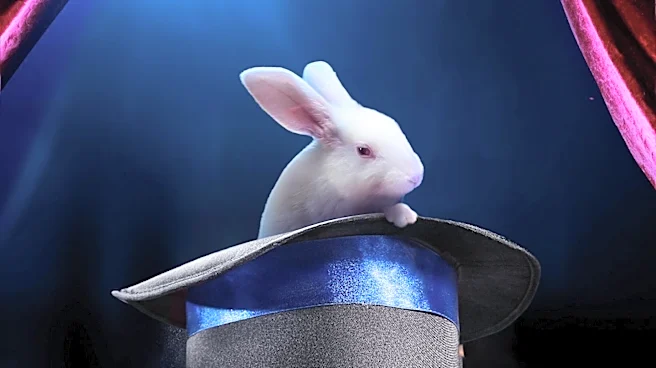
The 1950 film adaptation introduced the story to millions who might not have seen the stage play, cementing the image of Harvey, the six-foot-three-and-a-half-inch tall rabbit, in the public imagination. Its success paved the way for future interpretations and ensured that the narrative of Elwood and Harvey would continue to be revisited by new generations of storytellers.
Television Takes on the Tale
"Harvey" has also been adapted for television multiple times, allowing for different interpretations and reaching audiences in their homes. In 1958, a television version starred Art Carney as Elwood, alongside Marion Lorne, Larry Blyden, Elizabeth Montgomery, Fred Gwynne, Charlotte Rae, and Jack Weston. This early TV adaptation brought the play to a wide viewership during a burgeoning era of television entertainment.
Another significant television adaptation occurred in 1972, which notably reunited James Stewart with the role of Elwood, this time with Helen Hayes as his sister Veta. Jesse White reprised his role as Duane Wilson from the 1950 film, and Fred Gwynne also featured. This version allowed Stewart to revisit the character he helped make famous, offering a new performance for a television audience. Later, a 1996 film remake for television starred Harry Anderson as Elwood and Swoosie Kurtz as Veta, with Leslie Nielsen and William Schallert also in the cast, demonstrating the story's continued relevance decades after its stage debut.
International and Musical Interpretations
The appeal of "Harvey" extended beyond English-speaking productions. Versions of the play were produced for West German television in 1959, 1967, 1970 (with Heinz Rühmann), and 1985, often under the title "Mein Freund Harvey" (My Friend Harvey). These international adaptations highlight the universal themes within the play that resonate across different cultures.
Beyond direct adaptations, the play also inspired a stage musical. "Say Hello to Harvey," a musical adaptation by Leslie Bricusse, opened on September 14, 1981, in Toronto. Although it closed prior to planned engagements in Washington D.C. and New York, this musical attempt shows the creative desire to explore the story of Elwood and Harvey through different artistic mediums, further cementing the play's legacy as a versatile and enduring narrative.