







The name Santiago resonates across various geographical locations worldwide, identifying diverse cities and islands, each with its own distinct character and significance. From the bustling capital of Chile to an independent city in the Philippines and a major island in Cape Verde, the name Santiago marks places of considerable importance. This widespread usage reflects historical influences, particularly the veneration of Saint James, whose Spanish
name is Santiago, across different cultures and continents.
Santiago de Chile: A South American Powerhouse
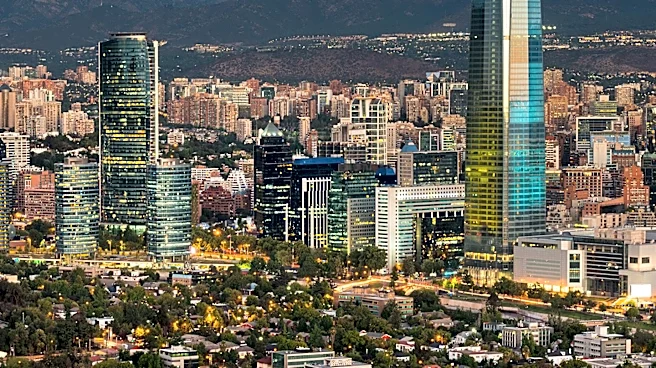
Santiago de Chile stands as the most prominent city bearing this name, serving as the capital and largest city of Chile. Located in the country's central valley, it is the center of the largest urban area, known as Greater Santiago. This metropolis has transformed into one of Latin America's most modern cities, characterized by extensive suburban development, numerous shopping centers, and impressive high-rise architecture. Its economic growth has been steady, establishing it as a regional headquarters for many multinational corporations and a significant financial center. The city also boasts a modern transport infrastructure, including an expanding underground metro and an advanced highway system, part of which is tunneled beneath the Mapocho River. Despite its capital status, Chile's legislative bodies meet in Valparaíso, an hour's drive away.
Santiago de los Caballeros: The Dominican Republic's Second City
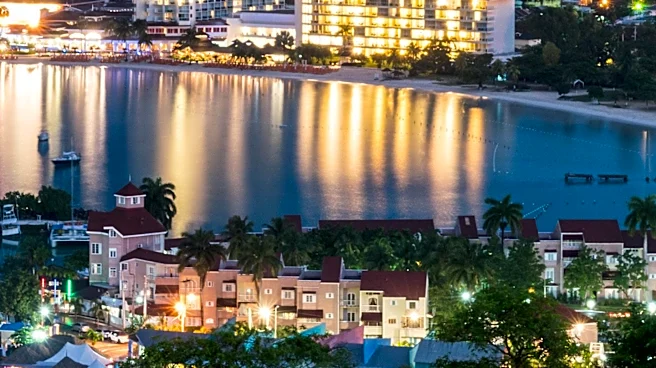
In the Dominican Republic, Santiago de los Caballeros, often shortened to Santiago, holds the distinction of being the country's second-largest city and the fourth-largest in the Caribbean by population. It is the capital of Santiago Province and the largest major metropolis in the Cibao region. Notably, it is the largest Caribbean city that is not a capital and the largest non-coastal metropolis in the Caribbean islands. Founded in 1495 during the initial wave of European settlement in the New World, it is recognized as the "first Santiago of the Americas." Today, it is a vital cultural, political, industrial, and financial center, known as "La Ciudad Corazón" (the Heartland City). Its location in the fertile Cibao Valley supports a robust agricultural sector, making it a leading exporter of rum, textiles, and cigars.
Santiago, Isabela: A Gateway in the Philippines
Santiago, officially known as the City of Santiago, is an independent component city in the Cagayan Valley region of the Philippines. Formerly called Carig, it is situated between the southwestern part of Isabela province and the northwestern boundary of Quirino, on the northeastern Luzon island. The city serves as a crucial gateway to the vast plains of Cagayan Valley. Its original name, Carig, was derived from the old Carig River (now Diadi River), where early Spanish missionaries discovered a native settlement. When the Spanish settled, it was named Pueblo of Santiago Apostol de Carig, with Santiago being the Spanish name for Saint James the Apostle. In the early 1950s, its name was simplified to Santiago.
Santiago, Cape Verde: An Island of Significance
Santiago is also the largest island of Cape Verde, an archipelago nation. It is the most important agricultural center of the country and home to half of the nation's population. Part of the Sotavento Islands, it lies between Maio to the east and Fogo to the west. Santiago was the first of the Cape Verde islands to be settled, with the town of Ribeira Grande (now Cidade Velha and a UNESCO World Heritage Site) founded in 1462. The nation's capital city, Praia, is located on Santiago, further underscoring its importance to Cape Verde.