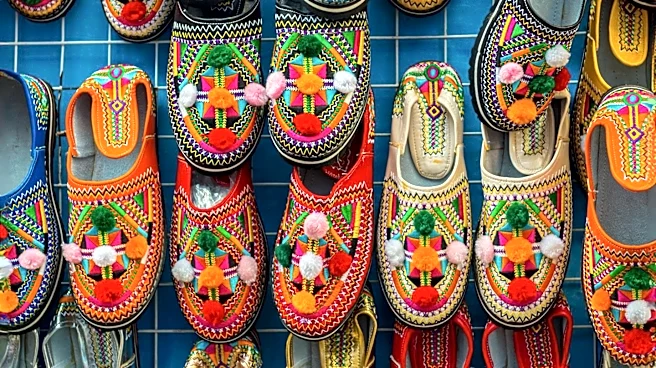


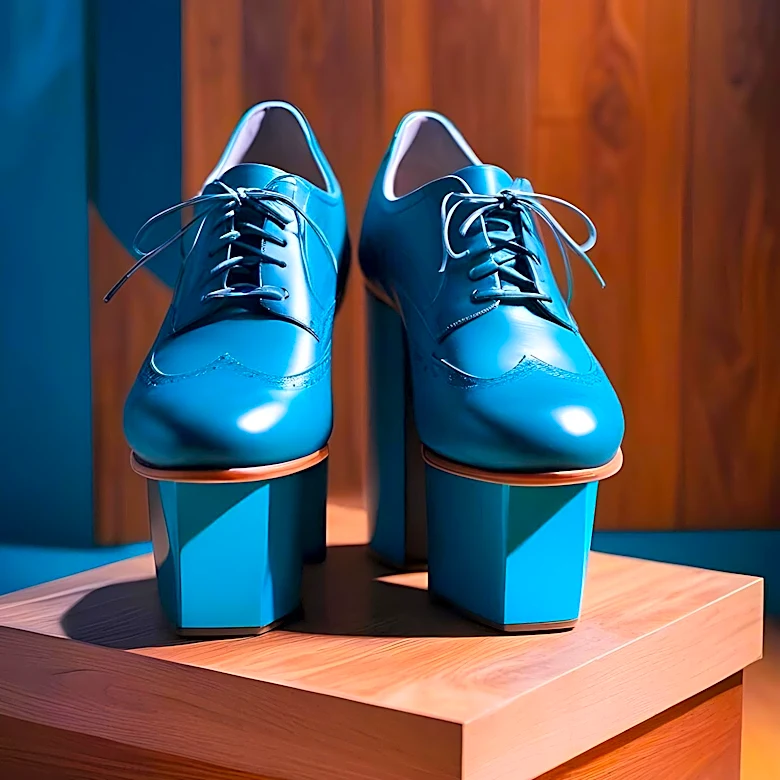



Slippers, those light indoor shoes often made of soft material, have a surprisingly long and rich history, stretching back to antiquity. Designed primarily for comfort and protection indoors, these easy-to-wear shoes have evolved significantly across cultures and centuries, reflecting changes in fashion, social customs, and available materials. From ancient China to Victorian England, and even to modern-day hotel rooms, slippers have consistently
served their purpose of providing solace for the feet within the home.
Early Origins and Cultural Significance
The recorded history of slippers dates back thousands of years. In China, for instance, slippers were in use as early as 4700 BC. These early Chinese slippers were crafted from materials like cotton or woven rush, often featuring leather linings. Beyond mere footwear, they sometimes incorporated symbols of power, such as dragons, indicating their potential significance beyond simple utility. This suggests that even in ancient times, slippers could carry cultural or status-related meanings.
Native American cultures also developed their own forms of soft indoor footwear, notably highly decorative moccasins. These moccasins were not just practical; they were often embellished with intricate beadwork and fringing, depicting nature scenes. Their soft, sure-footed design made them ideal for indoor use, providing comfort and quiet movement. Similarly, the Inuit and Aleut peoples created specialized indoor shoes from smoked hare-hide, specifically designed to protect their feet from the frozen ground inside their homes, highlighting the adaptive nature of slipper design to environmental conditions.
European Adaptations and Fashionable Orientalism
As cultures interacted, slipper designs began to spread and adapt. The concept of "fashionable Orientalism" played a role in introducing designs like the baboosh into Western society. This cross-cultural exchange brought new styles and materials to European footwear, influencing the development of slippers there. The term "slipper" itself has a long history in the English language, dating back to at least 1478, where it appeared as "sclyppers." English speakers also used related terms such as