


Thai red curry is a versatile dish that can be adapted to suit a variety of tastes and dietary preferences. Known for its rich, spicy flavors, red curry can be prepared with different proteins and vegetables, making it a flexible option for many meals. This article explores the different ways red curry can be enjoyed, highlighting its adaptability in Thai cuisine.
Protein Choices
One of the key features of red curry is its ability to accommodate a wide range of proteins.
Traditional options include chicken, beef, pork, and shrimp, each bringing its own unique texture and flavor to the dish. Chicken is a popular choice for its tender, juicy meat that absorbs the curry's flavors well. Beef and pork offer a heartier option, with their robust flavors complementing the spicy, aromatic sauce.
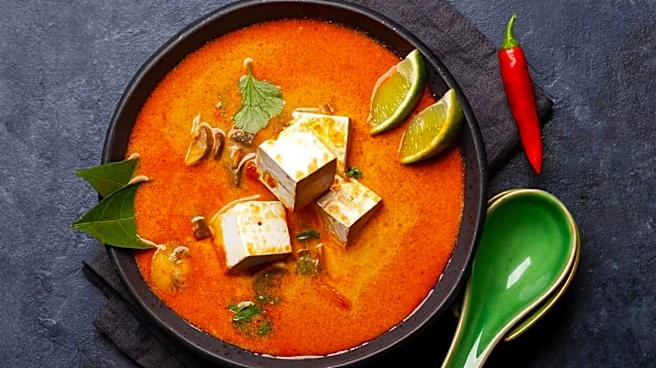
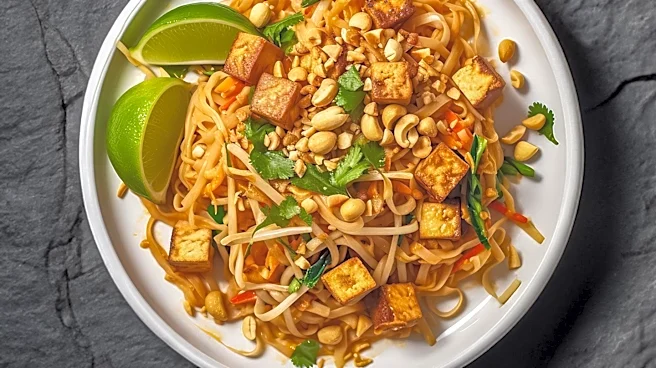
For those seeking a more exotic experience, red curry can also be made with duck, frog, or even snake meat. These proteins add an adventurous twist to the dish, showcasing the versatility of red curry in accommodating different tastes. Vegetarian options are also available, with tofu and meat analogues serving as suitable substitutes for those who prefer plant-based meals.
Vegetable Variations
In addition to protein choices, red curry can be customized with a variety of vegetables. Thai eggplant and bamboo shoots are common additions, providing a crunchy texture that contrasts with the creamy sauce. Pumpkin is another option, adding a subtle sweetness that balances the heat of the curry.
Vegetables not only enhance the nutritional value of the dish but also add color and visual appeal. The inclusion of fresh herbs like Thai basil and chopped makrut lime leaves further elevates the flavors, creating a vibrant, aromatic dish that is as pleasing to the eye as it is to the palate.
Serving Suggestions
Red curry is traditionally served with steamed rice, which helps to absorb the rich, flavorful sauce. The combination of rice and curry creates a satisfying meal that is both filling and delicious. For a lighter option, red curry can be served with rice noodles, offering a different texture and a slightly different dining experience.
The versatility of red curry extends beyond its ingredients and serving options. It can be enjoyed as a main course or as part of a larger Thai meal, paired with other dishes to create a diverse and flavorful spread. Whether enjoyed on its own or as part of a feast, red curry remains a beloved staple of Thai cuisine.
In summary, the adaptability of Thai red curry makes it a favorite among food enthusiasts. Its ability to accommodate various proteins, vegetables, and serving styles ensures that there is a version of red curry to suit every taste.