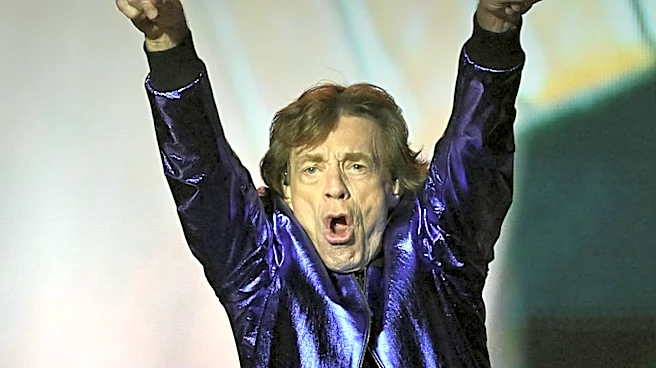








The Rolling Stones' American Tour in 1981 was more than just a highly successful concert series; it represented a pivotal moment for the band and introduced significant changes to the rock music industry. While promoting their album "Tattoo You," the tour became the largest-grossing of 1981, pulling in $50 million in ticket sales. Beyond the impressive financial figures and attendance records, this tour signaled a shift in the band's internal dynamics,
particularly concerning Keith Richards' health, and pioneered new commercial strategies that would influence future music events. It was a tour that solidified their legendary status while also marking a transition in their approach to touring and public image.
A Healthier Band and Shifting Dynamics
One of the most significant internal shifts during the 1981 tour was the noticeable change in the band's backstage atmosphere. There was generally less debauchery compared to previous outings, largely attributed to Keith Richards having overcome his well-known heroin addiction. This personal triumph had a tangible impact on his performance, with The New York Times observing, "He looks healthy, he is playing brilliantly and his backup vocals are often so lusty that they drown out Mr. Jagger, who is working harder to hold up his end of things as result."
This period marked a high point for Richards' vocal contributions, as the 1981 and 1982 tours were the last on which he provided the majority of backup vocals. For subsequent tours, the band began enlisting dedicated backup singers, indicating a subtle but important evolution in their live sound and performance structure. The tour thus showcased a more focused and revitalized Rolling Stones, reflecting Richards' improved health and its positive effects on the band's overall dynamic.
Pioneering Commercial Strategies
The 1981 American Tour was groundbreaking in its commercial approach, setting new precedents for the rock industry. It was an early milestone for selling advertising rights, with Jovan Musk paying a reported $3 million to become the exclusive sponsor. This innovative partnership demonstrated the potential for significant corporate involvement in large-scale music events, opening up new revenue streams beyond traditional ticket and merchandise sales.
In another marketing first, the December 18 performance at Virginia's Hampton Coliseum was broadcast as "The World's Greatest Rock'n'Roll Party" via pay-per-view and in closed-circuit cinemas. This marked the very first time pay-per-view technology was utilized for a music event, allowing a vast audience to experience the concert from afar. These pioneering commercial and broadcast strategies not only contributed to the tour's immense profitability but also laid the groundwork for how future major concert tours would be financed and distributed, cementing the 1981 tour's legacy as a commercial innovator.
Lasting Legacy and Documentation
The impact of the 1981 tour extended beyond its immediate success, leaving a lasting legacy that was well-documented. Several concerts were professionally recorded, with selected songs later released on the 1982 live album "Still Life." Furthermore, the Hal Ashby-directed concert film "Let's Spend the Night Together" was released in 1983, capturing the energy and spectacle of the tour for posterity. These recordings ensured that the tour's performances and its significance would be preserved and accessible to fans for years to come. The tour also marked the Stones' last visit to the United States until 1989, making it a memorable closing chapter for that era of their American touring history.