

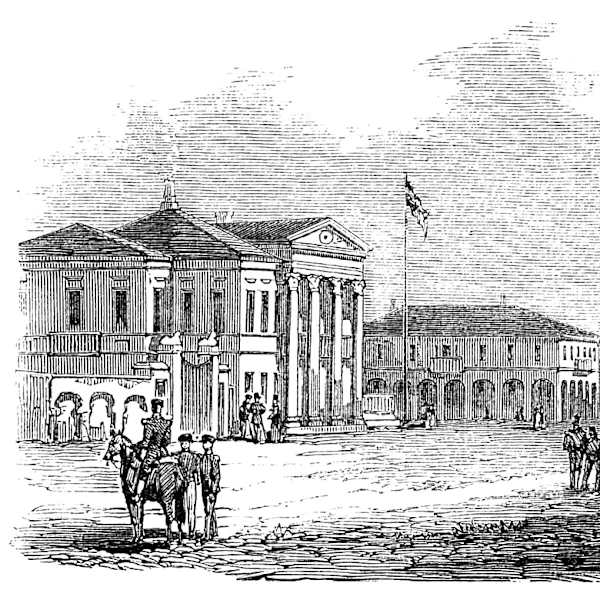







Slavery played a crucial role in shaping the economy of New York, both in its urban centers and agricultural regions. The gradual abolition of slavery, which began in 1799 and concluded in 1827, had significant economic implications for the state. This transition period saw shifts in labor practices, economic structures, and the roles of African Americans in society.
Slavery's Role in New York's Economy
In the 18th century, slavery was integral to New York's economy. Enslaved Africans
worked in various sectors, including agriculture, domestic service, and skilled trades. In New York City, more than 42% of households owned slaves by 1703, making it the city with the second-highest proportion of slaveholding households in the colonies, after Charleston, South Carolina.
The labor provided by enslaved people was essential for the development of New York's economy. They worked on farms in the Hudson Valley and Long Island, as well as in urban industries such as shipping and construction. This reliance on enslaved labor created a complex economic system that was deeply intertwined with the institution of slavery.
Transition to a Free Labor Economy
The gradual abolition of slavery in New York began with the 1799 Gradual Abolition Act, which set the stage for a transition to a free labor economy. This act allowed for a phased approach, freeing children born to enslaved mothers after July 4, 1799, but requiring them to serve as indentured servants until adulthood.
This transition period was marked by economic adjustments as slaveholders adapted to the loss of their labor force. Some turned to wage labor, hiring free blacks and immigrants to fill the gap left by the gradual emancipation of enslaved workers. This shift contributed to the growth of a diverse labor market in New York, with African Americans playing an increasingly significant role as free laborers.
Long-term Economic Effects
The abolition of slavery in 1827 marked a turning point in New York's economic history. The end of slavery allowed for greater economic mobility and opportunities for African Americans, who began to establish their own businesses and participate more fully in the state's economy.
The transition from a slave-based economy to one reliant on free labor also had broader implications for New York's economic development. It paved the way for industrialization and urbanization, as the state became a hub for commerce and trade. The abolition of slavery was not only a moral victory but also a catalyst for economic transformation, setting the stage for New York's emergence as a leading economic power in the United States.