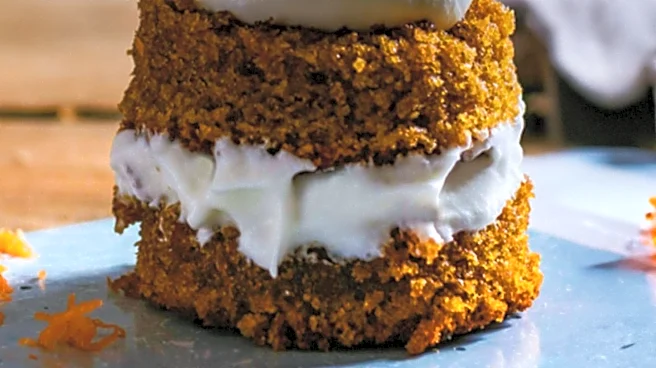






Carrot cake, a dessert celebrated for its moist, spiced batter and often crowned with a rich cream cheese frosting, has proven to be remarkably versatile throughout its history. While its core identity remains a cake featuring grated carrots, its forms have expanded significantly, ranging from traditional sheet and layer cakes to cupcakes and even innovative cookie variations. This adaptability is partly due to its fundamental composition, which typically
includes flour, eggs, sugar, carrots, and baking powder, allowing for numerous creative interpretations. The use of neutral oils like vegetable or canola oil, rather than butter, is a key characteristic that helps maintain its moist texture, even when refrigerated, contributing to its enduring appeal and suitability for diverse culinary applications.
Traditional Forms and Flavor Profiles
At its heart, carrot cake is a spiced cake, with cinnamon being a common addition, though other spices can also be incorporated. The grated carrots are not just a filler but contribute moisture and a subtle sweetness that balances the spices. While cream cheese frosting is almost synonymous with carrot cake today, the cake itself has a long history that predates this specific topping. Its origins are debated, with both England and Switzerland laying claim to its development, suggesting a broad European culinary heritage. The cake's ability to incorporate various additional ingredients, such as hazelnuts, lemon, kirsch, almonds, and walnuts, further showcases its inherent flexibility within its traditional framework.
Historically, carrot-based desserts evolved from simpler puddings in the Middle Ages, where carrots served as an economical sweetener. These early forms gradually transformed, eventually leading to baked cakes that could be molded and iced. The 19th century saw formalized recipes, such as Antoine Beauvilliers'