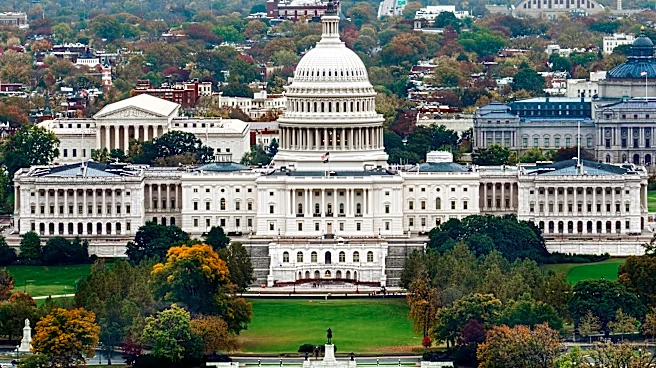






The 2022 United States Senate elections were not just about the national balance of power; they were also a collection of distinct contests, each with its own local flavor, candidates, and voter sentiments. While the Democratic Party ultimately secured a majority in the Senate, the paths to victory and defeat in individual states like New York, Florida, and Ohio reveal the complex tapestry of American politics. These state-level battles showcased
incumbent strengths, challenger strategies, and the shifting allegiances of the electorate.
New York: Schumer's Re-election and Shifting Support
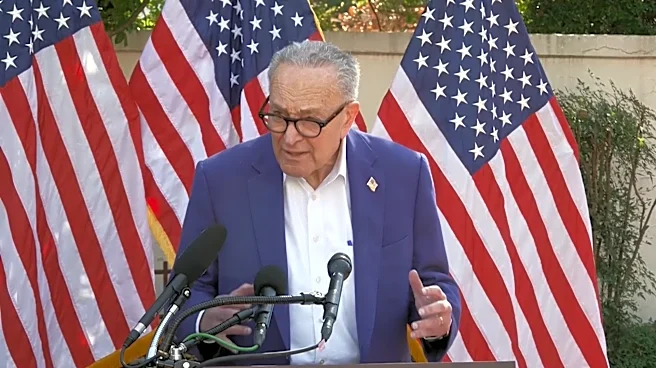
In New York, the 2022 Senate election saw incumbent four-term Democratic Senator Chuck Schumer seek a fifth term. Schumer, who had served as Senate Majority Leader since 2021, was first elected in 1998. He successfully secured re-election, winning by a margin of 14.01%. This victory ensured his position as the longest-serving U.S. senator in New York's history once his fifth term commenced in the 118th Congress.Despite his comfortable re-election, Schumer's performance in 2022 indicated some shifts in voter support. He experienced a significant loss of support on Long Island and in Upstate New York compared to his previous election in 2016. His Republican opponent, Joe Pinion, managed to flip more conservative counties that Schumer had won in past runs, and even some traditionally Democratic-leaning counties such as Nassau, Saratoga, Broome, Clinton, and Essex. However, Schumer's substantial lead in New York City was enough to secure his victory, with many media outlets calling the race in his favor as soon as polls closed. This election was noted as the most competitive of Schumer's Senate career since his initial win in 1998, and the closest U.S. Senate election from New York since Hillary Clinton's victory in 2000.
Florida: Rubio's Landslide and Historic Third Term
The 2022 United States Senate election in Florida featured incumbent Republican Senator Marco Rubio seeking a third term. Rubio, first elected in 2010, faced Democratic nominee Val Demings. Despite some early predictions of a close contest, Rubio achieved a landslide victory, securing re-election by a comfortable 16.4% margin. This performance marked an 8.7% improvement over his 2016 election results, making him the first Republican in Florida history to win a third term in the Senate.Rubio's success was broad-based, according to exit polls. He garnered 64% of White voters, 56% of Latino voters, and 9% of African American voters, though his support among African American voters was down from 17% in 2016. Conversely, Val Demings' 41.27% share of the vote represented the worst performance for a Democrat in a Florida Senate race since 1994. Despite this, Demings was still the best-performing statewide Democrat in Florida during the 2022 election cycle, highlighting the challenging environment for Democrats in the state.
Ohio: Voter Demographics and Key Issues
The 2022 United States Senate election in Ohio also provided insights into voter behavior. According to exit polls, Republican JD Vance won the election with 53% of the vote against Democrat Tim Ryan's 47%. Vance secured a majority of white voters (59% to 40%), while Ryan received strong majorities from Black voters (86% to 13%) and Latino voters (59% to 41%).Demographic breakdowns further illustrate the voting patterns. Vance performed strongly among men (58% to 41%), older voters (58% among 50-64, 55% among 65+), and those without a college degree (57%). Ryan, on the other hand, saw stronger support among women (53% to 47%), younger voters (59% among 18-24 and 25-29), and college graduates (52%). Key issues influencing voters included inflation, which was a major concern for 35% of voters, with 75% of those voters supporting Vance. Abortion was a top issue for 26% of voters, with 81% of them supporting Ryan. These detailed demographic and issue-based analyses underscore the varied factors that shaped the outcomes of these critical state Senate races.