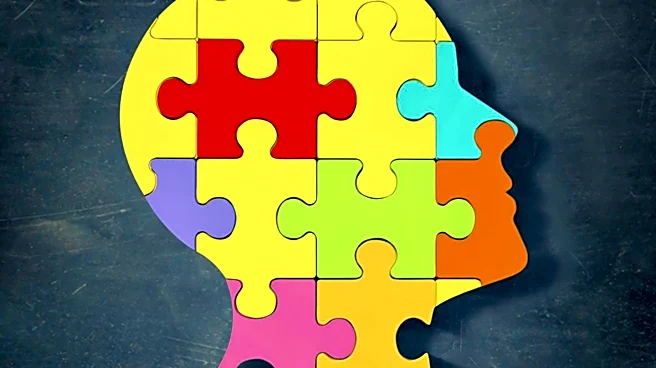

Mental health encompasses emotional, psychological, and social well-being, influencing how individuals manage stress and make daily decisions. Despite its critical role in overall health, mental illness
is often accompanied by various forms of stigma, which can significantly impede access to care and foster negative self-perceptions. Understanding these different types of stigma—public, structural, and self-stigma—is crucial for developing effective strategies to reduce their impact and improve mental health outcomes for everyone.
Public Stigma: Societal Attitudes and Discrimination
Public stigma is perhaps the most commonly recognized form of negative attitudes towards mental illness. It involves the discriminatory beliefs and behaviors that others in society may hold about individuals with mental health conditions. These negative perceptions can manifest in various ways, from social exclusion and prejudice to overt discrimination in employment or housing. Public stigma often stems from a lack of understanding, misinformation, or fear, leading to stereotypes that portray individuals with mental illness as dangerous, unpredictable, or weak. This societal judgment can create a hostile environment, making it difficult for those affected to openly discuss their struggles or seek the help they need without fear of being ostracized or judged. The pervasive nature of public stigma underscores the importance of education and awareness campaigns to challenge misconceptions and foster a more accepting and supportive community.
Structural Stigma: Systemic Barriers to Care
Beyond individual attitudes, mental health stigma can also be embedded within the very fabric of society through structural stigma. This form of stigma involves policies enacted by government and private organizations that, either intentionally or unintentionally, limit opportunities for people with mental illness. Examples of structural stigma include lower budgets allocated for mental illness research compared to other types of health care, or a scarcity of mental health services relative to other medical specialties. These systemic limitations can result in inadequate funding for treatment programs, a shortage of qualified mental health professionals, and a lack of accessible facilities. Structural stigma creates tangible barriers that prevent individuals from receiving timely and effective care, perpetuating a cycle of unmet needs and worsening conditions. Addressing structural stigma requires policy changes and increased investment in mental health infrastructure to ensure equitable access to resources and support.
Self-Stigma: Internalized Shame and Negative Self-Perception
Perhaps one of the most insidious forms of stigma is self-stigma, which refers to the negative attitudes that people with mental illness may develop about their own condition. This often involves internalized shame, where individuals adopt societal prejudices and apply them to themselves. Self-stigma can lead to feelings of worthlessness, hopelessness, and a reluctance to seek help, as individuals may believe they are deserving of their condition or that treatment is futile. The burden of self-stigma can be immense, impacting self-esteem, social interactions, and overall quality of life. It can also deter individuals from pursuing personal goals or engaging in activities they once enjoyed. A study highlighted that interventions and professional treatments are crucial not only for reducing psychological stress but also for normalizing the need for accessible health care and decreasing mental health stigma, regardless of economic background. Overcoming self-stigma often requires therapeutic support and a supportive environment that validates their experiences and encourages self-acceptance.
The Path to Reduction: Interventions and Promotion
Reducing all forms of mental health stigma is a complex but vital endeavor. Interventions and professional treatments play a significant role in this process by helping to normalize the experience of needing accessible health care and by directly addressing psychological stress. Beyond treatment, mental health promotion aims to enhance an individual's ability to achieve a positive sense of self-esteem, mastery, well-being, and social inclusion. This involves increasing protective factors and healthy behaviors that can help prevent the onset of a diagnosable mental disorder, while simultaneously reducing risk factors that could lead to its development. By fostering environments that prioritize mental well-being and challenge negative perceptions, society can move towards a future where mental illness is understood, treated, and supported without the added burden of stigma.