









North Dakota, located in the Upper Midwest region of the United States, is characterized by its diverse geography and abundant natural resources. This article delves into the state's geographic features, its natural resources, and the role they play in shaping North Dakota's economy and environment.
Geographic Features
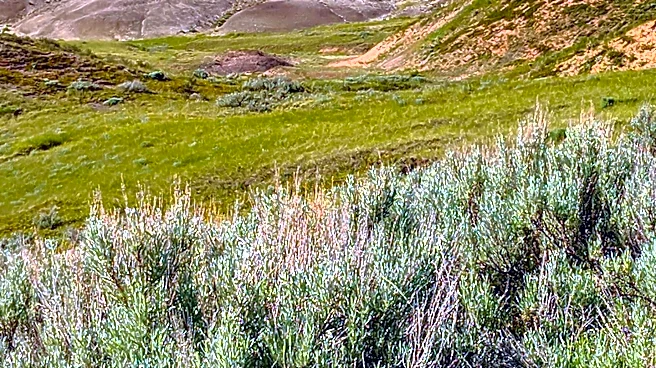
North Dakota is part of the Great Plains region, known for its broad prairies, steppe, temperate savanna, badlands, and farmland. The state shares the Red
River of the North with Minnesota to the east and borders Canada to the north. The geographic center of North America is near the town of Rugby.
The western half of the state consists of the hilly Great Plains and the northern part of the Badlands, which are west of the Missouri River. The state's high point, White Butte, and Theodore Roosevelt National Park are located in the Badlands. The Missouri River forms Lake Sakakawea, the third-largest artificial lake in the United States.
Natural Resources
North Dakota is rich in natural resources, including fossil fuels such as natural gas, crude oil, and lignite coal. The state's mineral resources include billions of tons of lignite coal, which is used to generate electricity. Petroleum was discovered in the state in 1951 and has become one of North Dakota's most valuable mineral resources.
The emergence of hydraulic fracturing technologies has enabled the extraction of oil from the Bakken shale rock formation in the western part of the state. This development has played a major role in North Dakota's economic prosperity, contributing to population growth and reduced unemployment.
Environmental Considerations
North Dakota's diverse terrain supports nearly 2,000 species of plants, with natural trees found in areas with good drainage. The state's fertile soil is the base of its agricultural wealth, supporting a large agriculture industry.
However, the state's reliance on fossil fuels and monoculture farming presents environmental challenges. The development of oil resources has raised concerns about sustainability, and the agricultural sector is at risk from insect or crop diseases affecting major crops.
As North Dakota continues to balance economic growth with environmental sustainability, its geographic features and natural resources remain integral to its identity and development. The state's commitment to preserving its environment while harnessing its resources will shape its future trajectory.