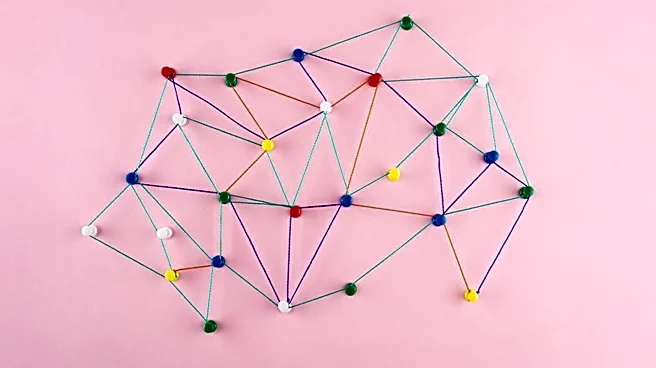



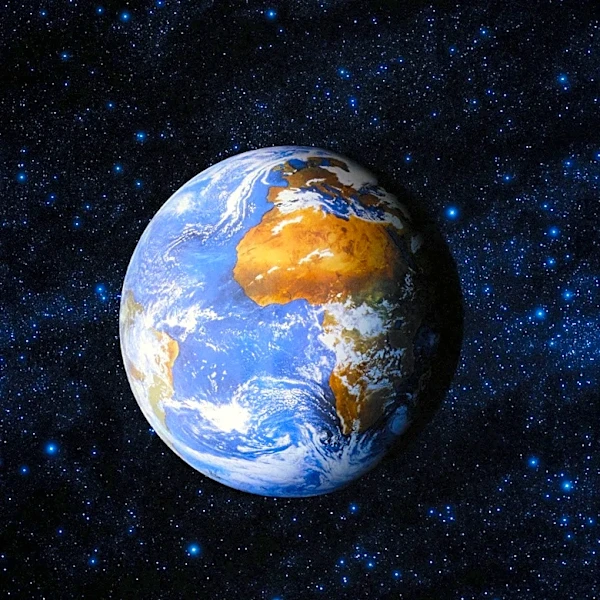


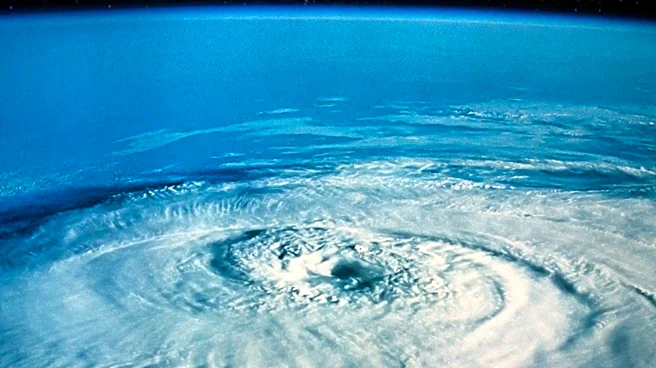
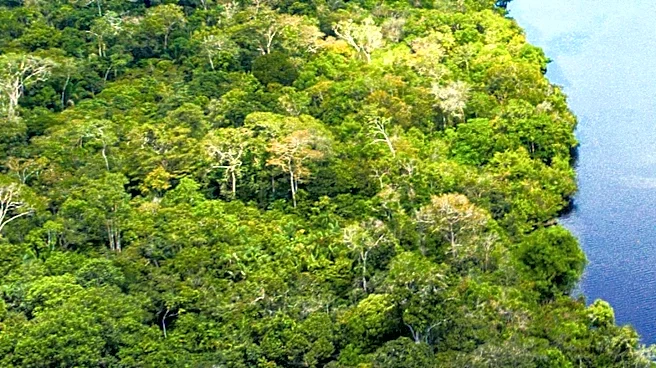
Biology, at its core, is the scientific study of life and living organisms, but a significant part of this study involves understanding how these organisms interact with each other and with their environment. This intricate web of relationships is fundamental to the existence and evolution of life on Earth. From the smallest microbial interactions to the complex dynamics of entire ecosystems, biologists investigate the characteristics and behaviors
of organisms, how they come into being, and how species evolve within their environmental contexts. This focus on interaction and environment forms a crucial lens through which life is understood.
Ecology: The Study of Life's Distribution and Abundance
One of the primary academic fields dedicated to these interactions is ecology. Ecology is defined as the study of the distribution and abundance of life, and critically, the interactions between organisms and their environment. This field explores how living things are spread across different habitats, why certain species thrive in particular areas, and the factors that influence their population sizes. Ecologists examine a wide range of environmental factors, including climate, geography, and the presence of other species, to understand their impact on biological communities.Within ecology, researchers might study how a predator-prey relationship influences the populations of both species, or how plants compete for resources like sunlight and water. They also investigate the effects of human activities on ecosystems, such as deforestation or pollution, and how these disturbances alter the delicate balance of nature. The goal is to build a comprehensive picture of how living systems function and respond to change, providing insights essential for conservation and environmental management.
Biological Interactions and Their Significance
Beyond the broader scope of ecology, the concept of biological interactions is a specific area of study that delves into the direct and indirect ways organisms affect one another. These interactions can be diverse, ranging from symbiotic relationships where two species benefit from each other, to parasitic relationships where one benefits at the expense of the other, and competitive interactions where organisms vie for limited resources. Understanding these dynamics is key to comprehending the structure and stability of biological communities.For example, the interaction between pollinators and flowering plants is a vital biological process that ensures the reproduction of many plant species and provides food for pollinators. Similarly, the decomposition of organic matter by bacteria and fungi is an interaction crucial for nutrient cycling within ecosystems. These interactions are not static; they evolve over time, shaping the characteristics and behaviors of the species involved. The study of these relationships helps to reveal the complex adaptive strategies that organisms have developed to survive and reproduce in their specific environments.
Conservation Biology: Protecting Interconnected Systems
Given the profound importance of these interactions and environmental relationships, conservation biology has emerged as a critical discipline. This field applies biological principles to the protection and management of biodiversity. Conservation biologists work to understand the threats to species and ecosystems, such as habitat destruction, climate change, and invasive species, all of which disrupt the natural interactions that sustain life. Their efforts are aimed at developing strategies to mitigate these threats and preserve the intricate web of life.By studying how organisms interact with their environment and with each other, biologists gain invaluable knowledge that informs conservation efforts. This includes identifying keystone species whose removal would have a disproportionate impact on an ecosystem, or understanding the ecological requirements for endangered species. Ultimately, the focus on biological interactions and environmental relationships underscores the interconnectedness of all life and the necessity of maintaining healthy, functioning ecosystems for the well-being of all organisms, including humans.