









A panic attack is a sudden and intense episode of fear and discomfort that can be profoundly distressing. These episodes are characterized by a rapid onset of severe anxiety, often accompanied by a range of physical symptoms that can feel overwhelming. While not inherently life-threatening, the experience of a panic attack can be very frightening, leading individuals to believe they are experiencing a serious medical emergency or losing control. The maximum
intensity of these symptoms typically occurs within a few minutes, making the experience both acute and impactful.
The Sudden Onset of Intense Fear
The defining feature of a panic attack is its sudden and often unexpected nature. These are not gradual increases in anxiety but rather abrupt surges of intense fear. This fear is disproportionate to any actual danger present, yet it feels very real and immediate to the person experiencing it. The unexpected recurrence of these attacks is a key characteristic, particularly in conditions like panic disorder, where individuals may develop significant worry about having future attacks.
This intense fear is often accompanied by a sense of impending doom, a feeling that something terrible is about to happen. This can manifest as a fear of dying, losing control, or even going insane. The unpredictability of these episodes means they are not restricted to specific situations or circumstances, which can contribute to a pervasive sense of anxiety about when and where the next attack might occur. This unpredictability is a core diagnostic criterion for panic disorder, distinguishing it from other anxiety conditions where triggers might be more identifiable.
Physical Manifestations of Panic
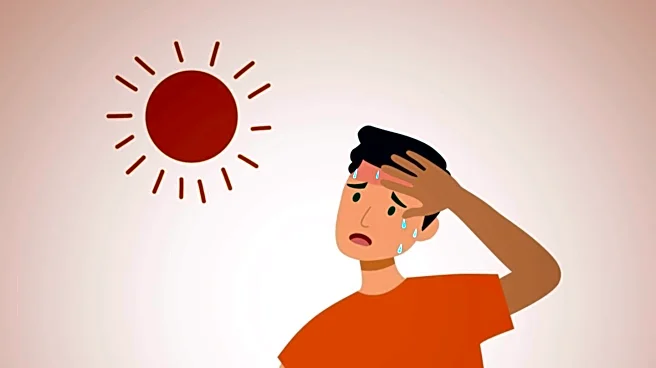
Panic attacks are marked by a variety of prominent physical symptoms that contribute significantly to the distress experienced. Among the most common are palpitations, which are a noticeable and often rapid heartbeat. This can be accompanied by chest pain or tightness, leading many to fear they are having a heart attack. Sweating is another frequent symptom, often profuse and sudden, adding to the feeling of being overwhelmed.
Respiratory symptoms are also very common, including shortness of breath or hyperventilation, and a choking sensation. These can make it feel as though one cannot get enough air, further intensifying the fear. Other physical sensations include shaking or trembling, numbness or tingling sensations, and dizziness. Some individuals also report feelings of unreality, known as depersonalization (feeling detached from oneself) or derealization (feeling that the world around them is not real). These physical and cognitive symptoms combine to create a powerful and disorienting experience, making panic attacks a significant source of distress and concern for those who experience them.